Live-in Care
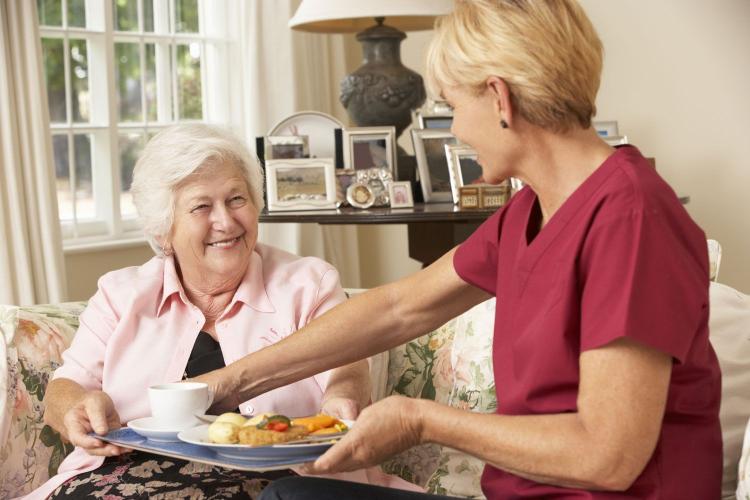
Our live in care service provides one-to-one support at home from a trained, DBS-checked carer — matched to your family's needs, routine and personality.
✧ Our care services
Every way we support people at home, from round-the-clock live-in care to condition-specific support and short respite breaks.

Not sure what you need?
Most families don’t arrive knowing what the care is called. Pick whichever sounds closest.
9 services
How the care is delivered — choose by the pattern of support you need.
Our live in care service provides one-to-one support at home from a trained, DBS-checked carer — matched to your family's needs, routine and personality.
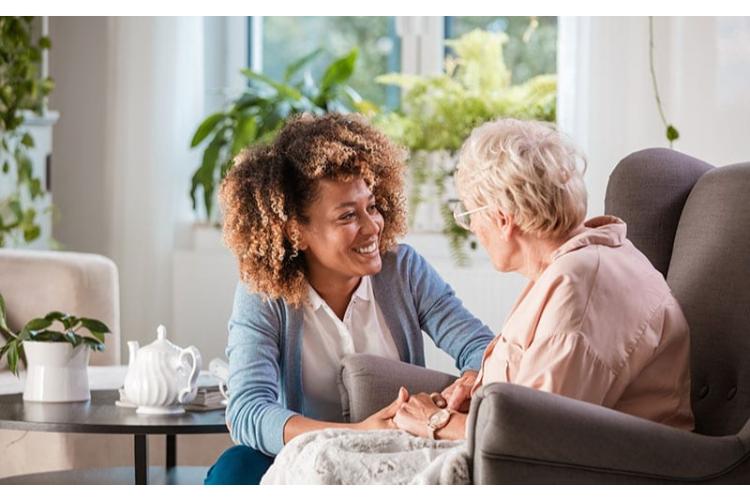
Our elderly care at home service provides one-to-one support at home from a trained, DBS-checked carer — matched to your family's needs, routine and personality.
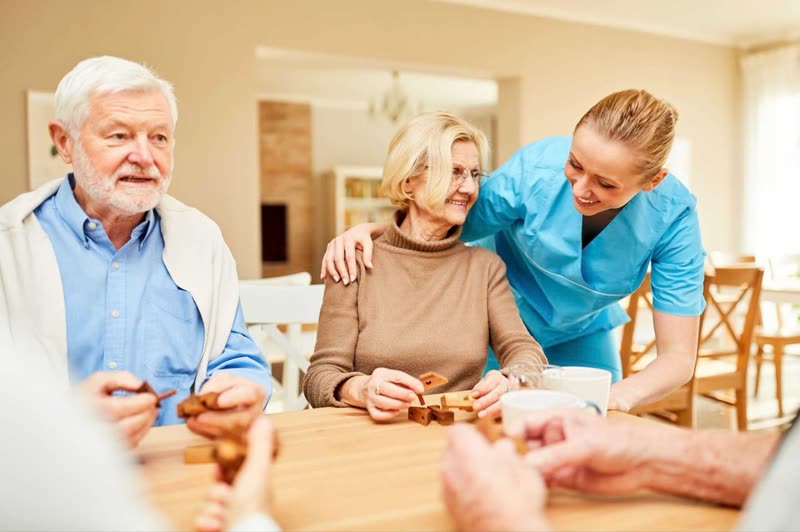
Our respite care at home service provides one-to-one support at home from a trained, DBS-checked carer — matched to your family's needs, routine and personality.
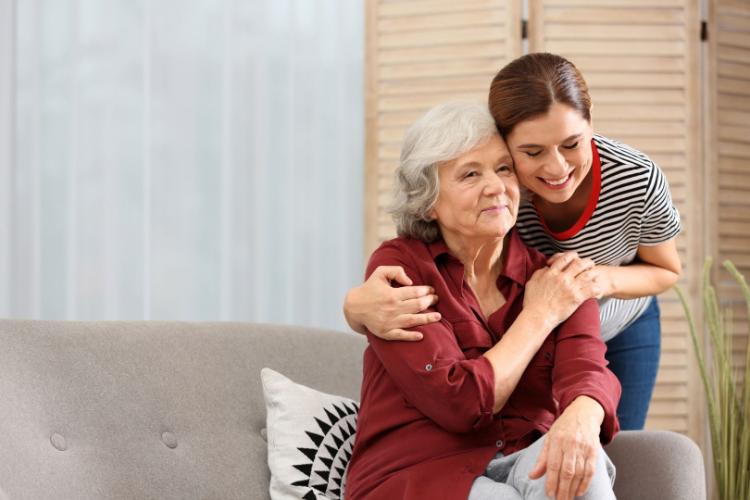
24 hour live-in care means someone is in the home around the clock — including through the night, when help is most often needed and least often available.

Overnight home care means that a trained carer stays at the individual’s home overnight to assist with any situation that may arise. The caregiving staff member seamlessly facilitates daily routine which continues during the night as well.
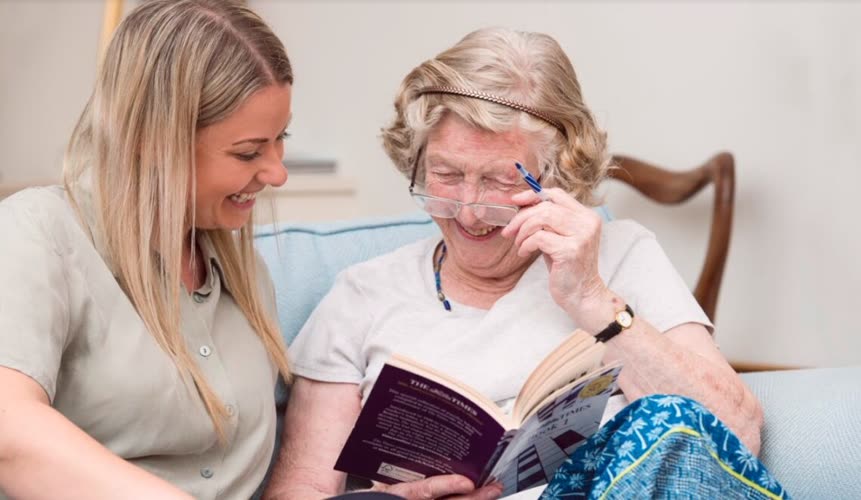
Our companionship care at home service provides one-to-one support at home from a trained, DBS-checked carer — matched to your family's needs, routine and personality.
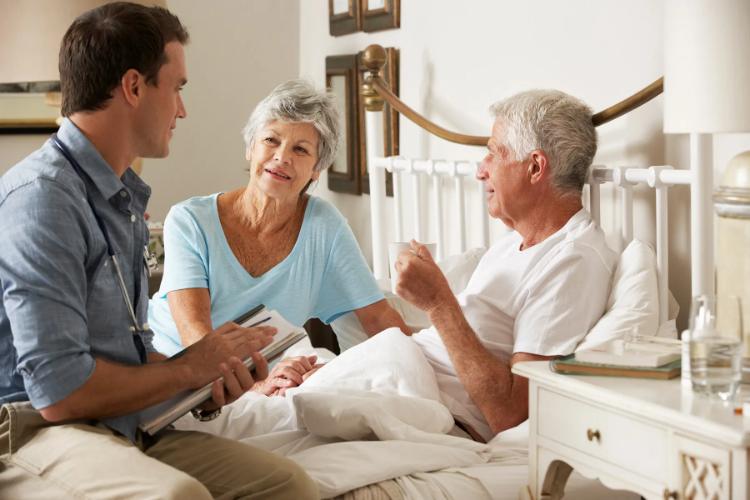
Our emergency live in care service provides one-to-one support at home from a trained, DBS-checked carer — matched to your family's needs, routine and personality.
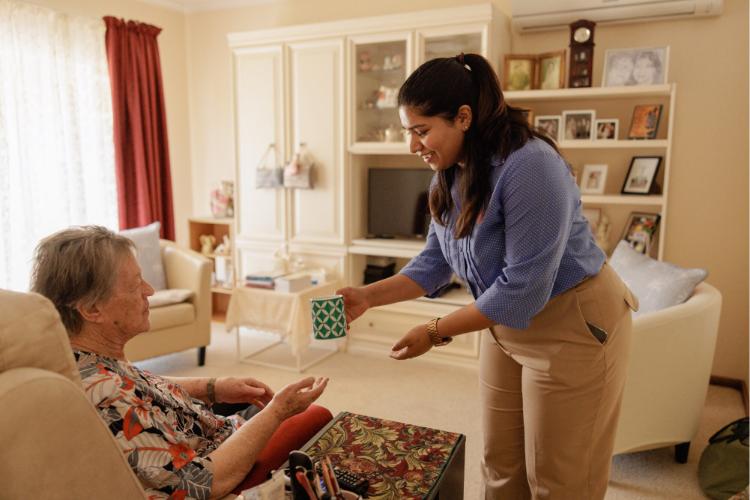
General home care is here to encompass all that falls in no other category of live-in care service. For people who are in their fifties or sixties, retired from intensive career responsibilities, keeping up well with their daily activities and chores, have friends and family, and they just need someone to give a hand with them. You have general home care at your service. Getting yourself or your family member a live-in care service in the familiar environment of a home is the best way to live an independent life while staying at a place with an emotional connection. And it is getting popular day by day. Sometimes, there are financial repercussions to shifting to a residential senior community centre or a senior care home. However, all this gets easier when you get a reliable, professional, qualified, and most importantly, an empathic carer at home.
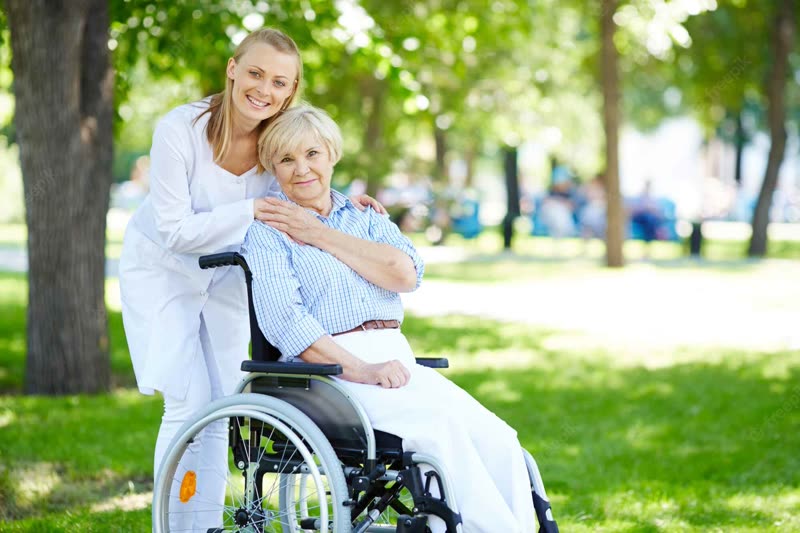
Our private carers service provides one-to-one support at home from a trained, DBS-checked carer — matched to your family's needs, routine and personality.
20 services
Carers trained and experienced in a specific diagnosis.
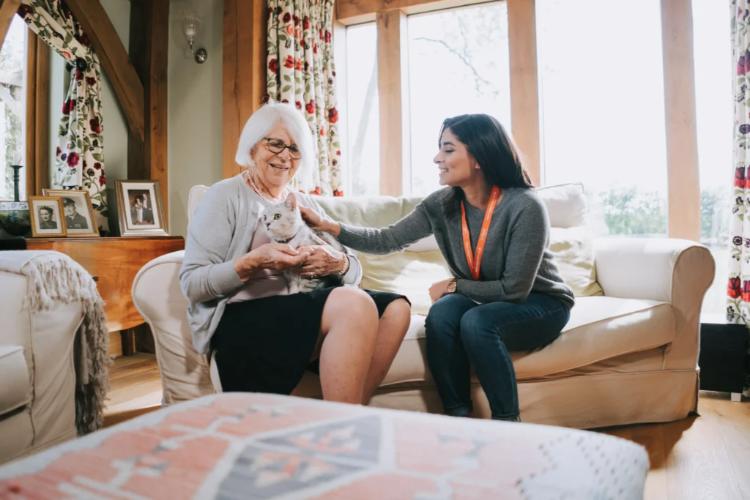
Our Alzheimer's care at home service provides one-to-one support at home from a trained, DBS-checked carer — matched to your family's needs, routine and personality.
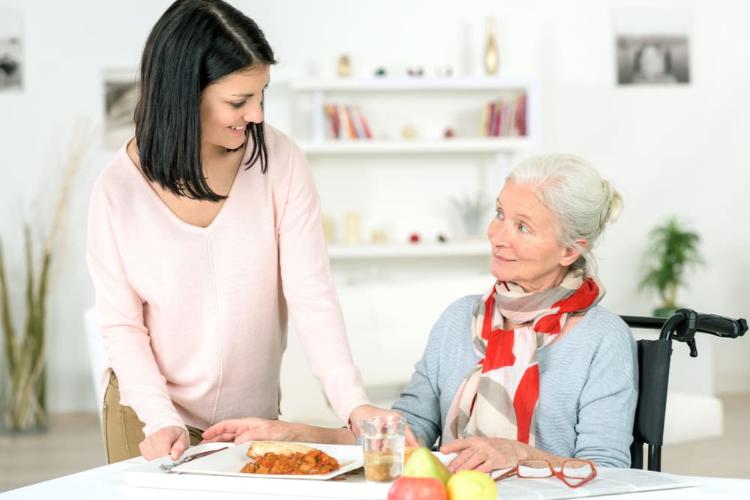
Arthritis is classified into many types. But what stays the same in all classes is that the patient has compromised mobility of joints, extreme pain, associated health issues, and regular doctor appointments. An arthritis patient needs a person who accompanies him 24/7 for his basic life maintenance needs.
Brain injuries can be acquired brain injuries or traumatic brain injuries. Acquired brain injuries (ABIs) are caused by stroke or brain tumor, while a traumatic brain injury (TBI) results from physical trauma. Either way, the patient needs live-in care that specializes in brain injury, especially if the disability is life-long. The worst form of body damage that could happen is an injury to the brain. Head injuries are the leading cause of disability and death in adults. Brain injuries acquired or traumatic result in brain tissue damage and hence swelling of the tissue. Since the skull cannot accommodate by increasing in size, there is a buildup of pressure in the brain.

Cancer care involves providing professional support to individuals diagnosed with cancer, focusing on their emotional, physical, and medical needs. In London, where many families juggle busy lifestyles and complex medical systems, having access to live in cancer care ensures peace of mind and proper support at home.

cerebral palsy private care is a condition that impacts muscle control and movement. It is a lifelong disability that can be challenging for the person who has it, their care providers, live in care, and their family members.
Chronic Obstructive Pulmonary Disease (COPD) is the fourth leading cause of mortality and the twelfth leading cause of disability. In the UK alone, 3 million people have COPD, and almost 2 million are undiagnosed. Once their disease has reached a certain level of progression, these patients need 24/7 help and care to carry on with their daily life tasks.
Our dementia care at home service provides one-to-one support at home from a trained, DBS-checked carer — matched to your family's needs, routine and personality.
Almost 3.9 million people in the UK presently live with diabetes. And almost 700 people are diagnosed with same diabetes every day. Since the disease is chronic, the ratio of patients with diabetes is increasing. Since it also increases the risk of developing many associated diseases, diabetes greatly reduces the quality of life of a person.
Down Syndrome is a lifelong genetic condition that causes intellectual disability, distinctive facial features, and certain physical problems. Down syndrome care can be challenging for any family member who has to take on the responsibility of caring for their elderly parent with Down Syndrome at home. Luckily there is a 24 7 care agency that provides assistance when you can’t keep up anymore.
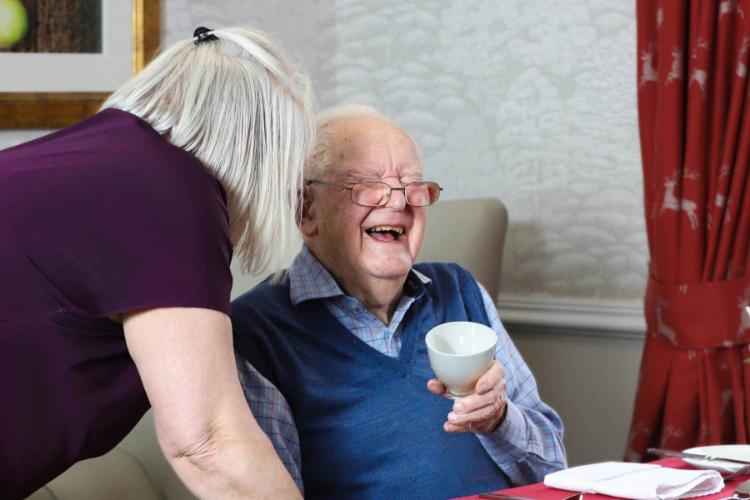
The lifestyle, which includes diet and exercise patterns, plays the most important role in developing, deteriorating, and treating the disease. You may feel like it is easy to manage it all by yourself, but in fact, it is not.
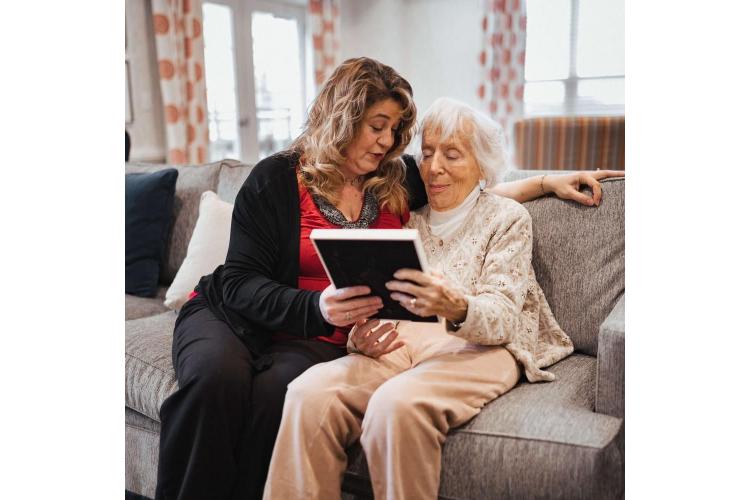
The elderly population is rapidly growing as the baby boomers age. The senior population will soon surpass that of children and teens in size. This blog post discusses mental health care for elderly patients, which is very important to provide a quality life and avoid depression. If you don’t have the time, you should hire elderly live-in care for them.
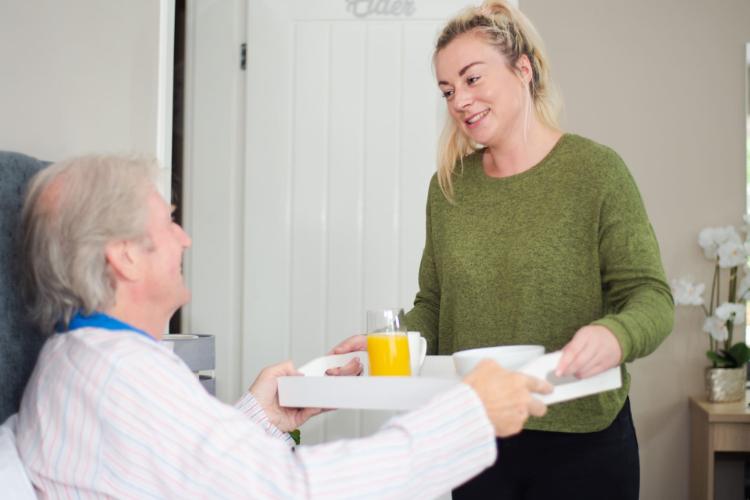
Motor neurone disease, or amyotrophic lateral sclerosis (ALS), is a progressive and fatal neurodegenerative disorder. These diseases are characterized by the death of motor neurons in both the brain and spinal cord, leading to muscle weakness, atrophy and paralysis.
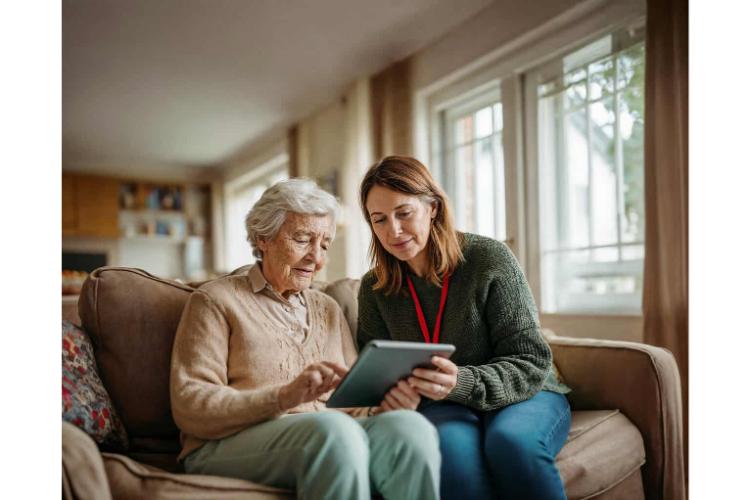
Multiple sclerosis or MS is a nervous system pathology characterized by nerve fiber damage. With a debilitated nervous system, the person suffers from physical disabilities and a wide range of other symptoms such as mobility problems, vision loss, fatigue, numbness and tingling sensations, weakness, muscle stiffening and spasms, and cognitive function loss.
Muscular dystrophies are a group of diseases that progressively damage muscle tissue and weaken muscles. The most common muscular dystrophy is Duchenne Muscular Dystrophy, which affects about 1 in every 3,500 live male births. These conditions will affect children differently depending on the type of disease they have and their age.
There are two types of nervous systems, the central nervous system, and the peripheral nervous system. The central nervous system is composed of the brain and spinal cord, and the peripheral nervous system is composed of nerves that branch out of the spinal cord and extend to the other body parts.
Osteoporosis affects almost 3 million people in the UK. What else? More than 500,000 people receive hospital care for fractures that occur due to osteoporosis every year. Live-in care for osteoporosis is important for the safety and health of your loved one.
Having someone you love with Parkinson’s disease is hard. And no matter how much you love the person, the one thing that you will need is elderly live-in care for them.
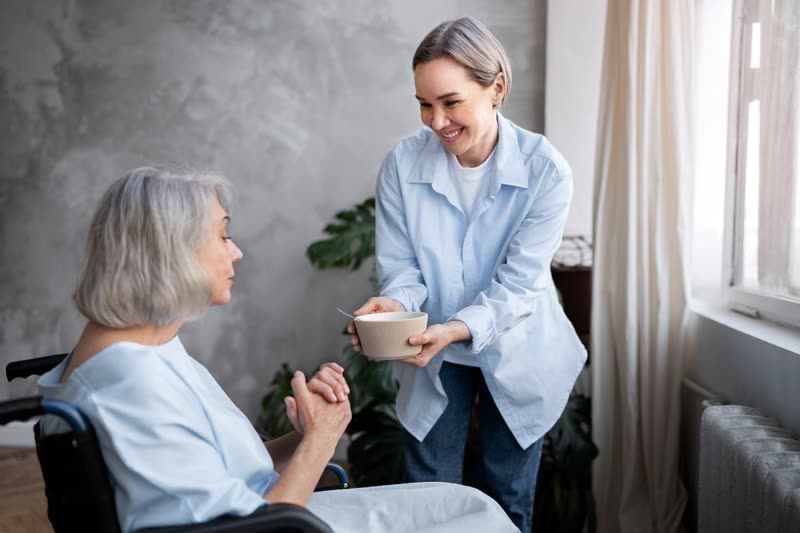
Spinal cord injuries are very serious and can lead to a lifetime of lost independence. It is important for those who have suffered from a spinal injury to understand the appropriate ways to care for their injury in order to make it easier on themselves. It also might be essential to consider care at home. In this blog post, we will discuss how you can rehabilitate your injury at home or work so that you don't have as much trouble getting around and doing things independently!
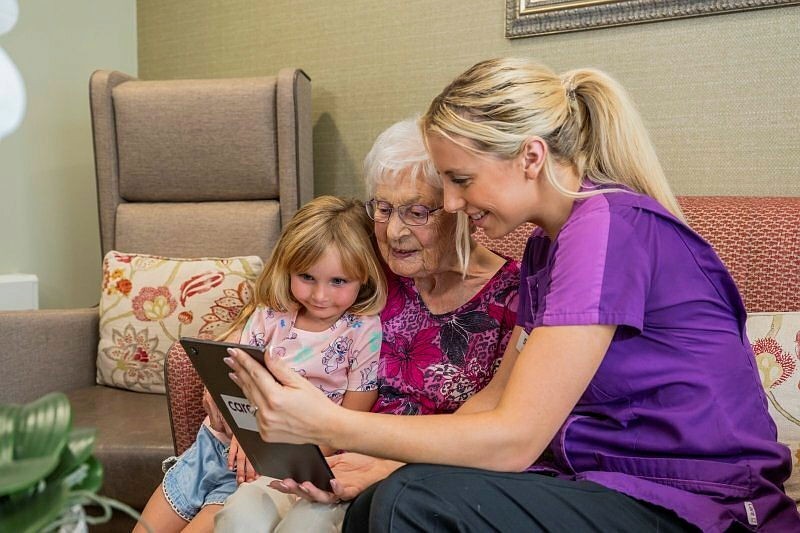
A stroke happens when a blood vessel supplying the brain or an area of the brain is blocked and ruptures. Due to the unavailability of blood to the brain tissue, the cells begin to die. A stroke is a medical emergency. But patients, once recovered from the emergency situation, need constant care and attendance depending upon the severity of the symptoms.
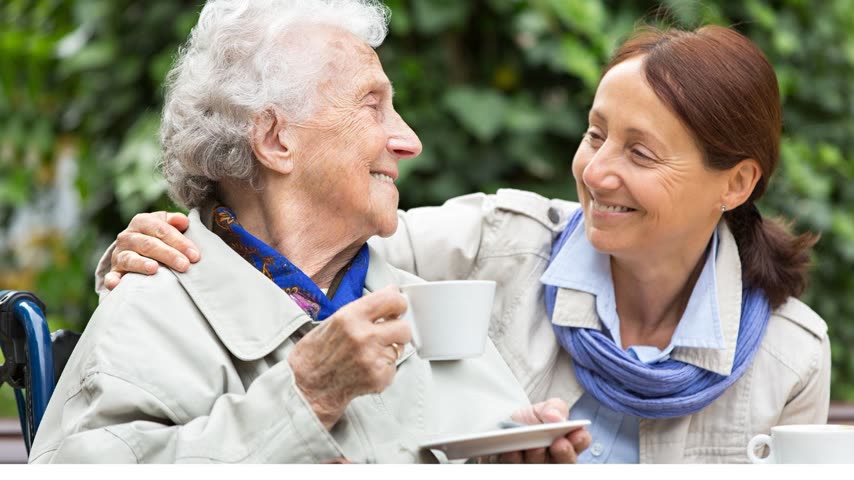
Almost 2 million people are living with visual impairment in the UK. They suffer from physical incapacities since they are no longer able to manage their daily life tasks effectively. Those with congenital visual impairment issues also need someone 24/7 to live in not only for their help and support but also for their safety.
7 services
Support around a hospital stay, a disability, or the final months.
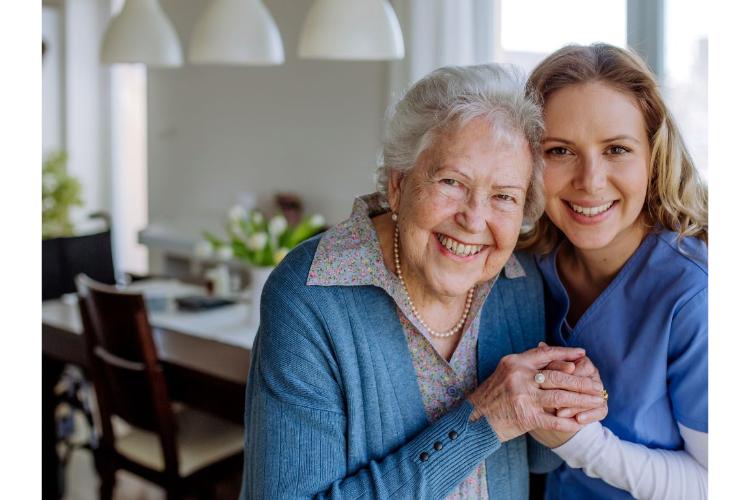
Disability care is specialised home care designed to support individuals with physical, learning, sensory, or complex disabilities. This type of care focuses on assisting with daily activities, mobility, personal care, and emotional well-being while promoting independence and quality of life.
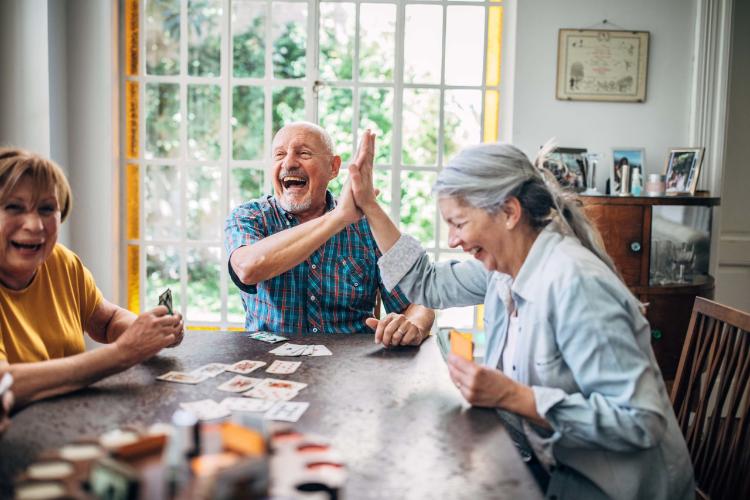
What is end of life care? End of life care is health care for a person who has been diagnosed with a terminal illness and is nearing his death every day, or it can be an aged person who is enjoying his last days and weeks in the world. Naturally, this type of care has to be of the live-in kind, in the precious comfort of one’s home. End of life care at home is undoubtedly a sensitive and touchy job and needs someone who understands what a person deserves in the near-death days of his life.
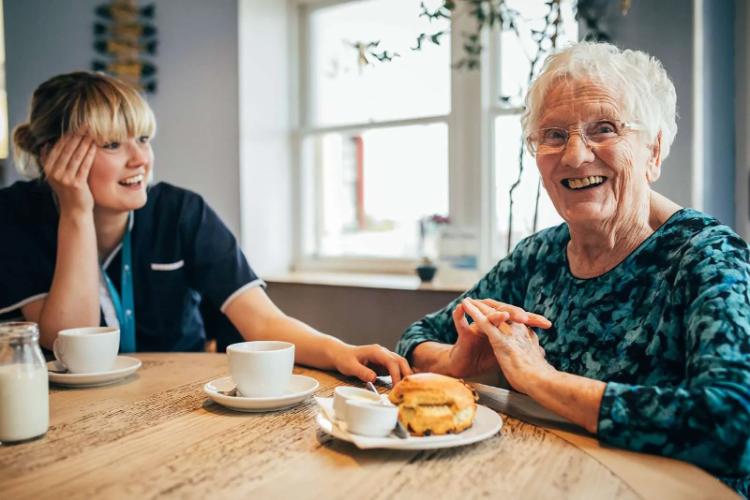
When an elderly individual is admitted into the hospital for treatment, it can be a very difficult time. They will have to deal with the stress of being in hospital and there may also be other medical issues that they are dealing with at the same time. The process of recovery can take a long time, which means that you need to find ways to provide them with care whilst they are in hospital - whether this is through using visiting services or by providing them with Elderly care UK.
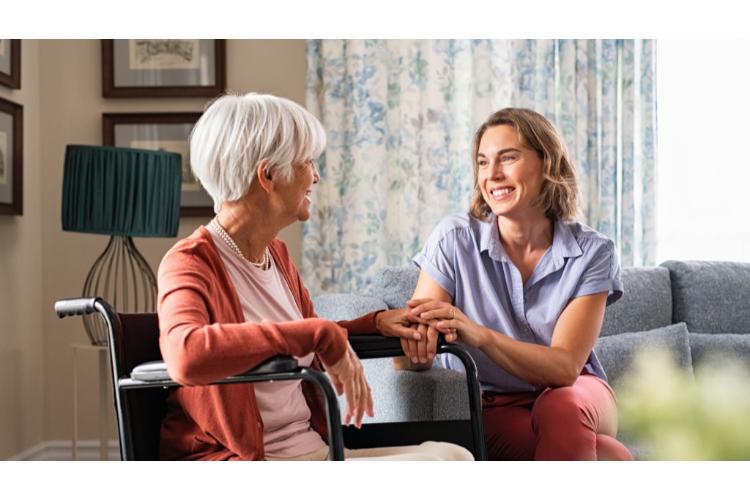
Knee and hip replacement surgery are an invasive procedure. The recovery time can take weeks to months, depending on the severity of the injury that necessitates it. Knee and hip replacement patients may need assistance with daily living tasks, including bathing, dressing, and cooking food. This can take a couple of weeks before the patient can start doing things for himself again. If you are working, you can hire live in care direct service to assist you during the day.
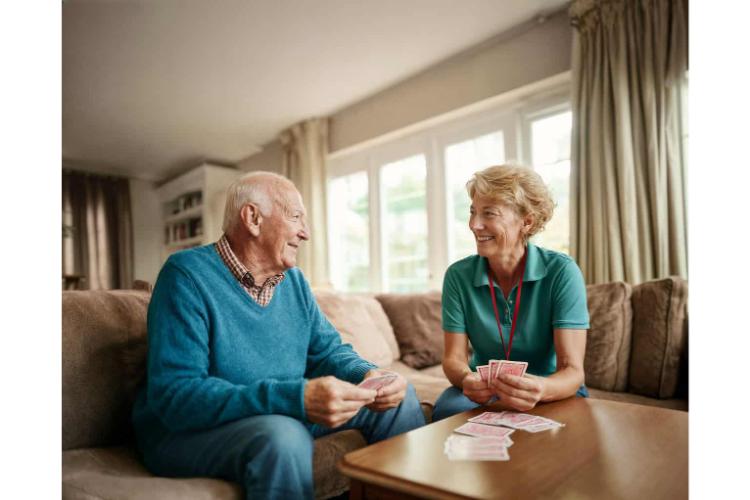
Learning disabilities are neurological disorders that affect one or more parts of the brain. They can make it difficult for someone to process information and learn new skills. And, sometimes you will need to consider professional care at home for this person.
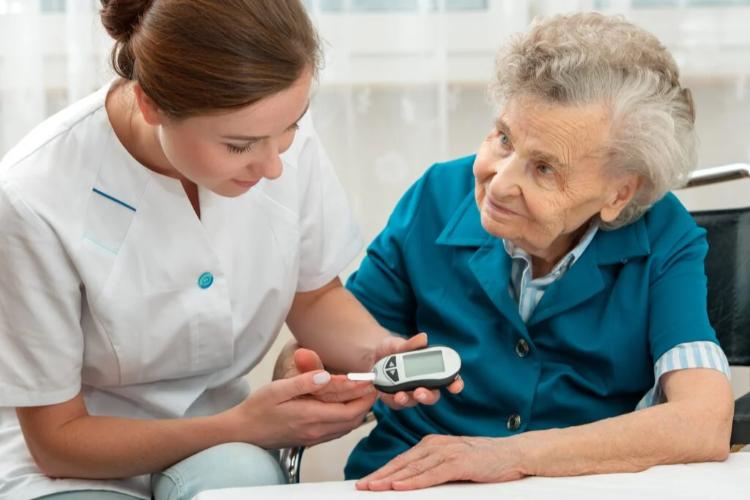
Live-in Care Direct offers you trustworthy and professional staff to rely on with your aged family member instead of sending them away to care homes. Poor mobility and frailty that comes with advancing age can be dealt with perfectly in the comfort of one’s home with live-in care , while staying close to the loved ones.
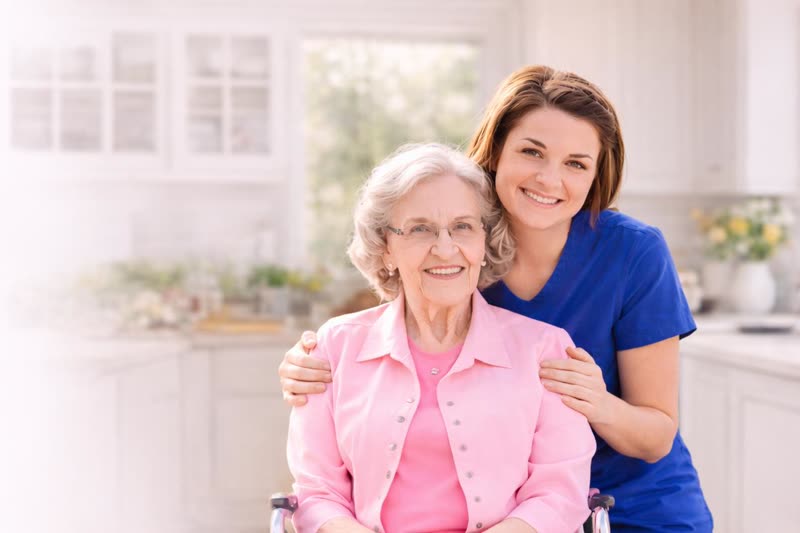
Palliative Care at Home is a step taken to improve the quality and wellness of people's lives, including adults, children, and families that are faced with problems that may be a threat to their lives. Caring for these people demands their loved ones and relatives to remain closer to them all the time to provide them with the necessary care. Shouldering these responsibilities can very, very time-consuming and tedious. Due to this, you may have some of your activities cut short to concentrate on providing the care they require.
Weighing the options
The three choices most families are deciding between, side by side.
| Feature | Live-in care | Visiting care | Care home |
|---|---|---|---|
| Stays in their own home | Yes | Yes | No |
| Support through the night | Yes | Rarely | Yes |
| The same carer each day | Yes | Rota of staff | Rota of staff |
| Keeps pets and belongings | Yes | Yes | Usually not |
| Couples stay together | Yes | Yes | Often separated |
| Typical cost | £1,200 a week | Varies with hours | Varies by home |
Visiting care and care home costs vary widely by area and provider, so we don’t quote figures we can’t stand behind. See our pricing in full →
Pricing
Care is priced on the level of support needed, not on the label attached to the service.
Standard
£1,200
per week, one person
Specialist
£1,300
per week, one person
Advanced
£2,600
per week, two carers
No agency fees on top, and no charge for the initial assessment.
Free callback
Leave your number and a care manager will call you back — usually within an hour, and always free.
Or call us now on 0800 368 8558 Lines open 8am–10pm, seven days a week
Where we work
Every service listed here is available in every area we cover.
Free, no-obligation call back
Answer 5 quick questions and one of our care managers will call you back to talk through the options and give you a clear weekly price.
Prefer to talk now? 0800 368 8558 Lines open 8am–10pm, seven days a week
One of our care managers will call you back shortly. If it's urgent, call us now on 0800 368 8558 .