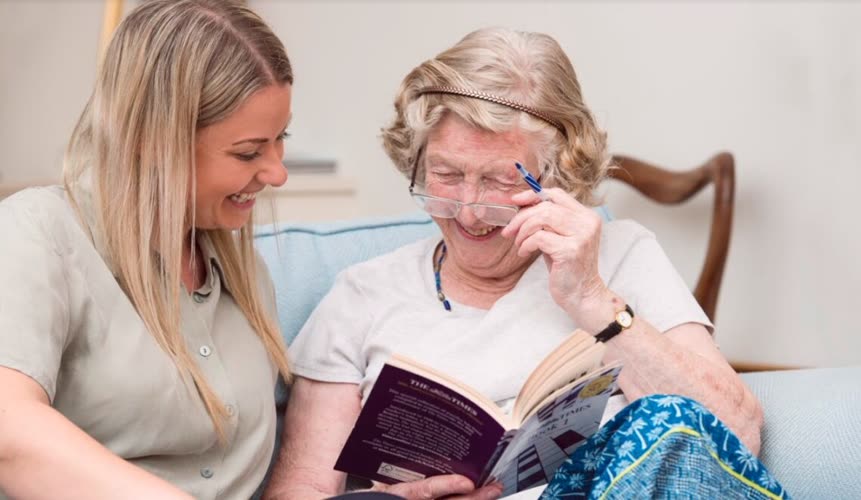
Blood sugar is monitored consistently
Regular checks and a carer who knows the person's normal pattern make it far easier to catch a high or low before it becomes dangerous.
✧ Our services
Diabetes is managed every day, at every meal. A live-in carer helps keep meals, medication and blood sugar checks on track, notices the early signs of a hypo, and looks out for complications, so your relative can stay well at home.

Diabetes is a condition in which the level of sugar (glucose) in the blood is too high, either because the body does not produce enough insulin or because it cannot use insulin properly. Most people have type 2 diabetes, which is managed with diet, activity and often tablets or injections. Type 1 diabetes is an autoimmune condition treated with insulin. More than four million people in the UK have been diagnosed with diabetes, according to Diabetes UK.
Diabetes care at home helps someone keep on top of the daily routines diabetes needs, especially when age, memory problems or other conditions make that hard to do alone. With live-in care, a carer is there at every meal and every dose.
Diabetes rarely comes alone in later life. It often sits alongside heart disease, kidney problems, sight loss, circulation problems or dementia. Dementia in particular makes diabetes much harder to manage, because people may forget they have eaten or taken their medication. A live-in carer brings all of this together in one daily routine, and is often the person who notices that something has changed.
A hypo (low blood sugar) can come on quickly and needs treating straight away with a sugary drink or glucose tablets, followed by a snack, according to the person's plan. A hyper (high blood sugar) usually develops more slowly, with thirst, passing more urine and tiredness. Carers are briefed on each person's targets and plan, and on when to contact the GP, diabetes nurse or 111, or call 999 if someone becomes unconscious.
Live-in diabetes care starts from £1,200 a week, or £1,300 where there are more complex needs, such as diabetes alongside dementia. Attendance Allowance or PIP, and council support after a needs assessment, may help with the cost. See our diabetes care guide and funding guide.
Good diabetes care is built in the kitchen, but meals should still be enjoyable. Carers usually aim for:
A dietitian or the diabetes nurse can give personal advice, and the carer puts it into practice every day.
Illness, such as a cold, infection or stomach bug, can make blood glucose rise or fall unpredictably. The diabetes team usually gives "sick day rules", which may include checking glucose more often, keeping up fluids, and sometimes adjusting or pausing particular medicines. These rules are individual and must come from the GP or diabetes nurse. A carer follows them, keeps a careful record, and calls for advice early if the person is vomiting, cannot keep fluids down, or glucose readings are persistently high or low.
Over time, diabetes can affect the eyes, kidneys, nerves, feet and circulation. Regular checks catch problems early, and a carer makes sure they happen: annual diabetic eye screening, blood and urine tests for kidney function, foot checks by a podiatrist, and the annual diabetes review. Day to day, the carer notices things a person might miss or dismiss — a cut on the foot that is not healing, numbness, changes in vision, or new tiredness — and reports them promptly.
Many people with diabetes want to manage it themselves for as long as possible, and should be supported to. A carer can prompt rather than take over, help set up routines and reminders, and step in only where memory, eyesight or dexterity have made tasks unsafe. As needs change, support can increase gradually, always agreed with the person and their diabetes team.
Diabetes can reduce sensation and circulation in the feet, so small injuries may go unnoticed and heal slowly, sometimes leading to serious problems. A simple daily routine helps prevent this: checking both feet for cuts, blisters, redness, swelling or colour changes, including between the toes and on the soles; washing and drying them carefully; moisturising the skin but not between the toes; never walking barefoot; and wearing well-fitting shoes and seamless socks. Any problem should be reported promptly to the GP, practice nurse or podiatrist.
When someone has both diabetes and dementia, daily management becomes much harder. They may forget whether they have eaten or taken their medication, be unable to recognise the signs of a hypo, or struggle with glucose testing. Treatment targets are sometimes relaxed for older people with dementia to reduce the risk of hypos, which the diabetes team will advise on. A live-in carer can make sure meals and medication are taken reliably and that any warning signs are noticed and acted on.
Why families choose it
Regular checks and a carer who knows the person's normal pattern make it far easier to catch a high or low before it becomes dangerous.
Meal planning around carbohydrate and sugar content happens naturally as part of daily cooking, rather than being a separate battle.
Timing matters with diabetes medication. A carer present all day keeps doses, meals and activity properly aligned.
Foot checks, changes in vision or energy, and slow-healing cuts are all things a consistent carer notices sooner than an occasional visitor would.
Someone present who recognises the early signs of a hypo can act immediately, rather than the person being found in difficulty alone.
Is it right for us?
If one of these sounds familiar, diabetes care at home is worth a conversation.
Finding a relative confused or unwell from a blood sugar drop is one of the most common triggers for arranging live-in care.
As complications develop, everyday tasks like cooking safely or managing insulin injections become harder to do alone.
Diabetes rarely arrives alone — heart, kidney or circulation problems often mean coordinating care becomes too much for family to manage.
Missed insulin doses or an unmanaged diet are frequently the first sign that daily supervision, not occasional check-ins, is needed.
Slow-healing cuts or foot problems are a serious concern with diabetes, and often prompt families to arrange more consistent care at home.
What a carer does
Every care plan is built from these, weighted to whatever matters most in your household.
Personal care and daily routines built around meal timing and medication, so nothing important gets missed.
Regular monitoring, insulin prompting and quick recognition of the early signs of a hypo or hyper episode.
Encouragement to stay active and keep to dietary guidance, with company that makes the routine easier to stick to.
Meal preparation, shopping and housework managed around a diet that actually suits the person's condition.
Related services
Live-in care is not one fixed thing. These are the variations families most often need — and we will tell you which one actually fits.
For people who need attention repeatedly through the night. Covers waking nights and, where nights are consistently broken, two carers in rotation.
A professional steps in so a family carer can rest, from a few days to several weeks. Also the easiest way to try live-in care before committing.
For a hospital discharge, a fall, or a carer suddenly unable to continue. We can often have someone in place within 24 to 48 hours.
Cover through the night only, where days are manageable but nights are not. Useful after a hospital stay or while a diagnosis settles.
Carers experienced in memory loss, sundowning and changes in behaviour. Familiar rooms and one consistent face matter more here than anywhere.
Comfort-focused support at home, working alongside district nurses and the GP so symptom control and dignity come first.
Support for the final months, weeks or days at home, for the person and for the family around them.
Where the need is company and daily structure rather than personal care. Often the first step, before anything more is required.
What you get
Being straight about the boundaries saves everyone a difficult conversation later.
Compared honestly
The three realistic options, side by side. We will tell you if one of the others suits you better.
| Live-in care | Residential care home | Visiting care | |
|---|---|---|---|
| Typical weekly cost, one person | From £1,200 | £1,100 – £1,600 | £300 – £900 |
| Typical weekly cost, a couple | From £1,200 (one carer) | £2,200 – £3,200 (two places) | Varies by hours |
| Staff-to-person ratio | One-to-one | Shared across residents | One-to-one, but only during visits |
| Same carer each day | Yes | No — shift rota | Rarely |
| Stay in your own home | Yes | No | Yes |
| Overnight cover | Yes | Yes | No — unless booked separately |
| Couples stay together | Yes | Often not possible | Yes |
| Pets can stay | Yes | Almost never | Yes |
| Visitors any time | Yes | Visiting hours | Yes |
Care home figures are typical UK ranges for 2026 and vary considerably by region and by whether nursing care is included. We quote our own prices exactly; always confirm a care home's fees directly with them.
Our carers
The single biggest worry families raise, and rightly. You choose the carer from matched profiles, and you can speak to them by video call before deciding anything.


Our carers
Our carers are spread across the UK, supported by regional care managers. Every one is interviewed in person, enhanced DBS checked and reference-checked before they are ever introduced to a family — and you choose who moves in.
 Patience
Live-in carer
Patience
Live-in carer
 Vistorine
Live-in carer
Vistorine
Live-in carer
 Gladys
Live-in carer
Gladys
Live-in carer
 Refiloe
Live-in carer
Refiloe
Live-in carer
 Monica
Live-in carer
Monica
Live-in carer
 Brenda
Live-in carer
Brenda
Live-in carer
How it works
A friendly, no-obligation call to understand the situation, explain how the care works and give you an estimated weekly cost.
We send profiles of available carers matched to your needs. You can speak to them on a video call before deciding.
Your carer moves in and support starts, with a named care manager checking in regularly to make sure it's working.
Free callback
Leave your number and a care manager will call you back — usually within an hour, and always free.
Or call us now on 0800 368 8558 Lines open 8am–10pm, seven days a week
Common questions
What families ask us before arranging care.
Not seeing your question?
Our care managers answer these every day. A no-obligation call takes about ten minutes.
0800 368 8558Lines open 8am–10pm, seven days a week See all questionsLive-in diabetes care starts from £1,200 a week, or £1,300 a week for more complex needs such as diabetes with dementia. It is one fixed weekly fee.
Insulin is usually given by the person themselves or by district nurses. A carer can support insulin only where they have been trained and signed off by the nursing team for that individual.
Follow the person's hypo plan: give fast-acting sugar straight away, then a longer-acting snack, and recheck blood glucose. If the person is unconscious, call 999 and do not give anything by mouth.
Yes. Live-in care is especially helpful here, because a carer can make sure meals are eaten and medication taken, which people with dementia may forget.
Yes. Daily foot checks for cuts, blisters and colour changes are part of the routine, with problems reported promptly to the nurse or podiatrist.
Attendance Allowance or PIP depending on age, and council support after a needs assessment. NHS Continuing Healthcare may apply where health needs are complex.
Individual guidance from the GP or diabetes nurse on what to do when unwell, which may include checking glucose more often, keeping up fluids, and sometimes adjusting certain medicines. Carers follow the person's own rules exactly.
Regular, balanced meals with vegetables, protein and sensible portions of starchy food, fewer sugary drinks and snacks, and familiar dishes adapted rather than replaced. A dietitian can give personal advice.
Usually annual eye screening, blood and urine tests for kidney function, foot checks and a full diabetes review. A carer makes sure appointments are booked and attended.
Yes. Carers can prompt and support rather than take over, stepping in only where memory, eyesight or dexterity have made tasks unsafe, so independence is kept for as long as possible.
Transparent pricing
One weekly fee covering the agreed care plan. No hidden charges for everyday care.
Read next


Related care
The lifestyle, which includes diet and exercise patterns, plays the most important role in developing, deteriorating, and treating the disease. You may feel like it is easy to manage it all by yourself, but in fact, it is not.
Our elderly care at home service provides one-to-one support at home from a trained, DBS-checked carer — matched to your family's needs, routine and personality.
Almost 2 million people are living with visual impairment in the UK. They suffer from physical incapacities since they are no longer able to manage their daily life tasks effectively. Those with congenital visual impairment issues also need someone 24/7 to live in not only for their help and support but also for their safety.
Our private carers service provides one-to-one support at home from a trained, DBS-checked carer — matched to your family's needs, routine and personality.
Our dementia care at home service provides one-to-one support at home from a trained, DBS-checked carer — matched to your family's needs, routine and personality.
Near you
Local pages cover how care is regulated and funded where your relative lives.
Where we work
We arrange care in 850+ towns and cities. Choose your area for local pricing, funding and how care is regulated where you live.
Can’t see your area? Call 0800 368 8558 — we almost certainly still cover it.
Free, no-obligation call back
Answer 5 quick questions and one of our care managers will call you back to talk through the options and give you a clear weekly price.
Prefer to talk now? 0800 368 8558 Lines open 8am–10pm, seven days a week
One of our care managers will call you back shortly. If it's urgent, call us now on 0800 368 8558 .