Treatment side effects are managed at home
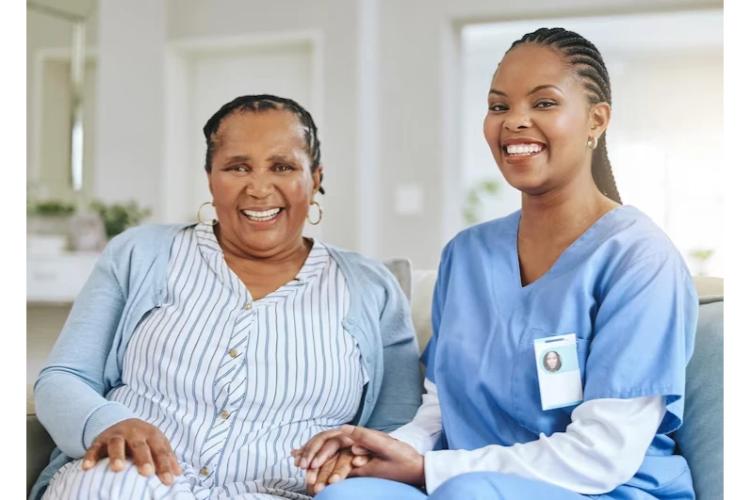
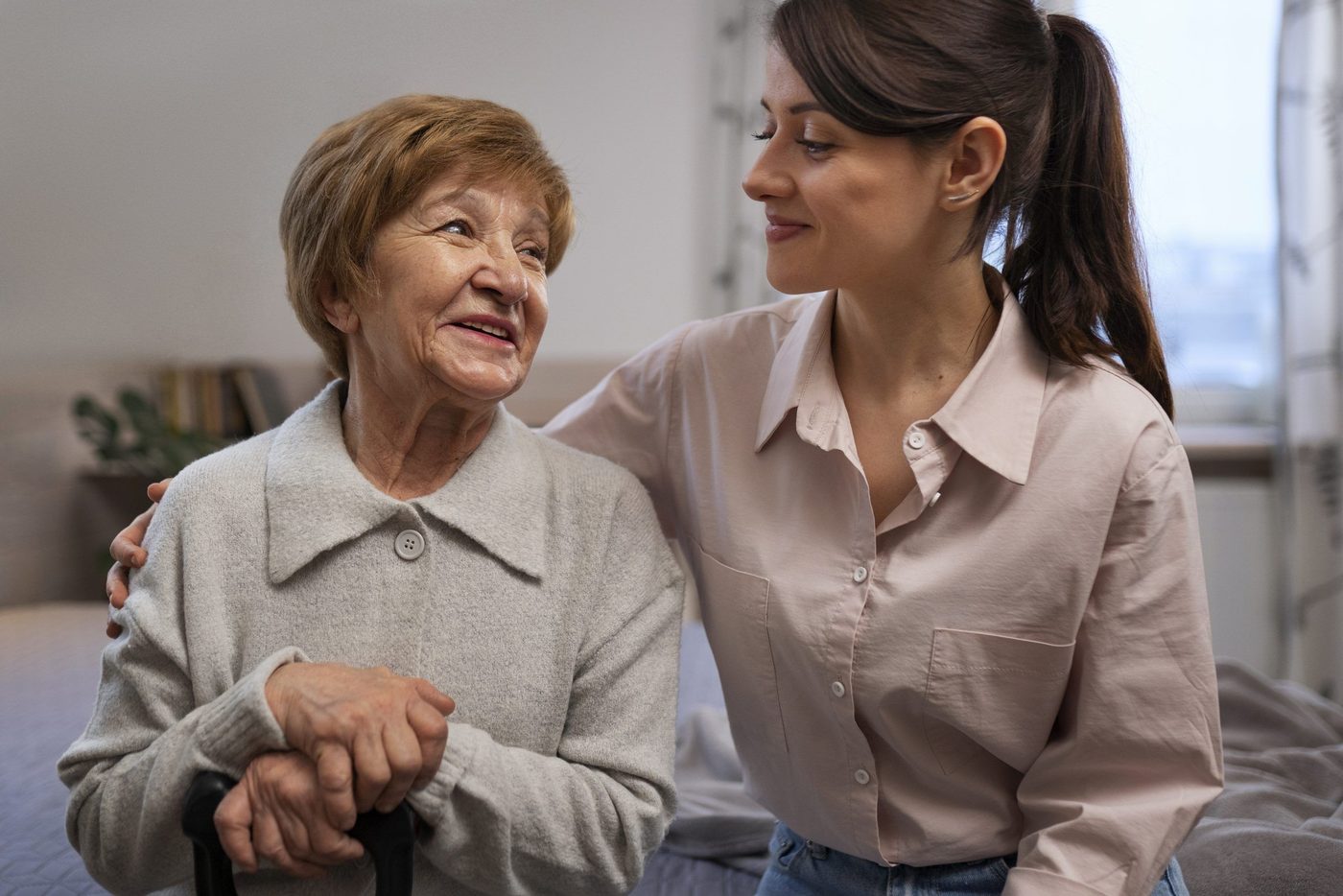
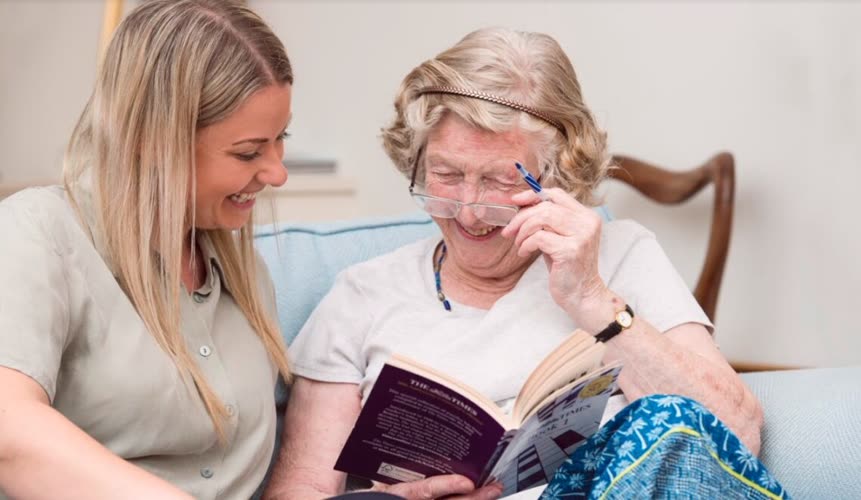
Fatigue, nausea and reduced appetite are eased by someone on hand to adjust the day around how the person actually feels, rather than a fixed appointment schedule.
✧ Our services
Cancer and its treatment can be exhausting, for the person and their family. A live-in carer helps through chemotherapy, radiotherapy and recovery, or through advanced illness, so life at home stays manageable and no one faces it alone.

Cancer care at home is practical and personal support for someone living with cancer, in their own home. Almost 3.5 million people in the UK are living with cancer, according to Macmillan Cancer Support, and many of them need help at some point: during intensive treatment, while recovering from surgery, or as the illness advances.
With live-in cancer care, one carer lives in the home and provides support around the clock. That might be for a few weeks during chemotherapy, or for many months. The medical care stays with the oncology team, GP and nurses; the carer makes daily life possible around it.
Chemotherapy, radiotherapy, immunotherapy and surgery can all cause fatigue, nausea, low appetite, pain and a weakened immune system. A live-in carer helps by:
Some side effects of cancer treatment need urgent attention. A high temperature, shivering or feeling suddenly unwell during chemotherapy can be a sign of a serious infection called neutropenic sepsis. Every person on treatment is given a 24-hour acute oncology helpline number. Our carers are briefed to take temperatures when advised, recognise warning signs and call that number straight away rather than waiting.
After major surgery, the first weeks at home are often the hardest: wounds are healing, movement is limited and energy is low. Short-term live-in care during this period helps with mobility, personal care, meals and follow-up appointments, and allows a partner to keep working or simply rest. See short-term live-in care.
When cancer can no longer be cured, the focus moves to comfort and quality of life. Live-in care, alongside the palliative care team, district nurses and hospice, can support someone to stay at home for as long as they wish, including at the end of life. See palliative care and end of life care.
Live-in cancer care starts from £1,200 a week, or £1,300 for more complex needs. People with cancer may be entitled to PIP or Attendance Allowance, and those with a terminal diagnosis can claim under special rules, which are faster and pay the highest rate. Macmillan's support line can help with benefits and grants, and NHS Continuing Healthcare may fund care where needs are complex or at the end of life.
Chemotherapy is usually given in cycles, with the days after treatment often the hardest. A live-in carer can plan the week around that rhythm:
Cancer and its treatment often change appetite and taste. Food may taste metallic or bland, smells may cause nausea, and mouth soreness can make eating painful. What helps varies from person to person, but carers commonly offer small, frequent meals rather than large ones; cold or bland foods when nausea is bad; soft, moist foods when the mouth is sore; nutritious snacks and drinks kept within reach; and meals timed around anti-sickness medicine. A dietitian at the hospital can advise on supplements if weight is falling.
Cancer-related fatigue is different from ordinary tiredness and does not always improve with rest. It can last for months after treatment ends. Carers help by taking on tiring household tasks, encouraging gentle activity, which often helps fatigue more than complete rest, planning the day around energy levels, and making sure the person has time and energy for the things that matter most to them.
A cancer diagnosis affects everyone in a family. Partners often become carers while trying to keep working, children may be anxious, and relatives living far away may feel helpless. Live-in care takes on the day-to-day load so the family can focus on supporting each other. Macmillan's support line and local cancer support centres offer practical and emotional support for patients and families alike, including help with finances, work and benefits.
Some cancer treatments cause a sore mouth, mouth ulcers or a dry mouth, and others affect the skin, particularly radiotherapy in the treated area. Good daily care helps: gentle tooth brushing with a soft brush, mouthwashes recommended by the hospital, plenty of fluids, and avoiding spicy or acidic foods if the mouth is sore. For skin, the radiotherapy team gives specific advice on washing and moisturising the treated area and avoiding sun exposure. A carer follows this advice and reports any sores, infection or skin breakdown promptly.
Many people diagnosed with cancer in later life are also living with other conditions, such as heart disease, diabetes, arthritis or dementia. Treatment can affect these conditions, and managing several medicines, appointments and symptoms at once can be overwhelming. A live-in carer helps keep everything coordinated: medication schedules, blood glucose checks for people with diabetes during steroid treatment, appointments with different teams, and noticing when one condition is affecting another.
A carer's daily notes on symptoms, eating, temperature and energy can help the cancer team make decisions about treatment. Bringing these to appointments, with the patient's agreement, makes conversations more accurate and productive.
Why families choose it
Fatigue, nausea and reduced appetite are eased by someone on hand to adjust the day around how the person actually feels, rather than a fixed appointment schedule.
The same carer through diagnosis, treatment and recovery notices changes early and provides continuity a rotating team of visitors can't.
Staying out of hospital and shared care settings matters during chemotherapy, when infection risk is a real concern.
A cancer diagnosis is frightening. Having someone present for the low days, not just the practical tasks, makes a real difference.
Handing over day-to-day care means visits and time together can be about connection, not managing appointments and medication.
Is it right for us?
If one of these sounds familiar, cancer care at home is worth a conversation.
Fatigue and side effects during treatment often mean daily tasks and appointments become hard to manage without help.
Wound care support, mobility help and general recovery at home are usually needed for longer than a hospital stay allows.
Where cancer arrives alongside existing health problems, coordinating everything alone becomes overwhelming quickly.
Supporting someone through cancer treatment is relentless. A professional carer allows family to rest without the person being left alone.
As the focus shifts to comfort, live-in care lets someone remain at home surrounded by family rather than in a hospital bed.
What a carer does
Every care plan is built from these, weighted to whatever matters most in your household.
Washing, dressing and mealtimes managed gently around treatment side effects like fatigue and nausea.
Prompting for medication and pain relief, and working alongside district nurses and the oncology team.
Someone present for the harder days as well as the practical ones, reducing the isolation a diagnosis can bring.
Housework, laundry and shopping kept up quietly, so treatment doesn't also mean the home falls behind.
Related services
Live-in care is not one fixed thing. These are the variations families most often need — and we will tell you which one actually fits.
For people who need attention repeatedly through the night. Covers waking nights and, where nights are consistently broken, two carers in rotation.
A professional steps in so a family carer can rest, from a few days to several weeks. Also the easiest way to try live-in care before committing.
For a hospital discharge, a fall, or a carer suddenly unable to continue. We can often have someone in place within 24 to 48 hours.
Cover through the night only, where days are manageable but nights are not. Useful after a hospital stay or while a diagnosis settles.
Carers experienced in memory loss, sundowning and changes in behaviour. Familiar rooms and one consistent face matter more here than anywhere.
Comfort-focused support at home, working alongside district nurses and the GP so symptom control and dignity come first.
Support for the final months, weeks or days at home, for the person and for the family around them.
Where the need is company and daily structure rather than personal care. Often the first step, before anything more is required.
What you get
Being straight about the boundaries saves everyone a difficult conversation later.
Compared honestly
The three realistic options, side by side. We will tell you if one of the others suits you better.
| Live-in care | Residential care home | Visiting care | |
|---|---|---|---|
| Typical weekly cost, one person | From £1,200 | £1,100 – £1,600 | £300 – £900 |
| Typical weekly cost, a couple | From £1,200 (one carer) | £2,200 – £3,200 (two places) | Varies by hours |
| Staff-to-person ratio | One-to-one | Shared across residents | One-to-one, but only during visits |
| Same carer each day | Yes | No — shift rota | Rarely |
| Stay in your own home | Yes | No | Yes |
| Overnight cover | Yes | Yes | No — unless booked separately |
| Couples stay together | Yes | Often not possible | Yes |
| Pets can stay | Yes | Almost never | Yes |
| Visitors any time | Yes | Visiting hours | Yes |
Care home figures are typical UK ranges for 2026 and vary considerably by region and by whether nursing care is included. We quote our own prices exactly; always confirm a care home's fees directly with them.
Our carers
The single biggest worry families raise, and rightly. You choose the carer from matched profiles, and you can speak to them by video call before deciding anything.

Our carers
Our carers are spread across the UK, supported by regional care managers. Every one is interviewed in person, enhanced DBS checked and reference-checked before they are ever introduced to a family — and you choose who moves in.
 Monica
Live-in carer
Monica
Live-in carer
 Brenda
Live-in carer
Brenda
Live-in carer
 Gladys
Live-in carer
Gladys
Live-in carer
 Vistorine
Live-in carer
Vistorine
Live-in carer
 Patience
Live-in carer
Patience
Live-in carer
 Refiloe
Live-in carer
Refiloe
Live-in carer
How it works
A friendly, no-obligation call to understand the situation, explain how the care works and give you an estimated weekly cost.
We send profiles of available carers matched to your needs. You can speak to them on a video call before deciding.
Your carer moves in and support starts, with a named care manager checking in regularly to make sure it's working.
Free callback
Leave your number and a care manager will call you back — usually within an hour, and always free.
Or call us now on 0800 368 8558 Lines open 8am–10pm, seven days a week
Common questions
What families ask us before arranging care.
Not seeing your question?
Our care managers answer these every day. A no-obligation call takes about ten minutes.
0800 368 8558Lines open 8am–10pm, seven days a week See all questionsLive-in cancer care starts from £1,200 a week, or £1,300 a week for more complex needs. It is one fixed weekly fee for the agreed care plan.
Yes. Many people arrange live-in care for the weeks or months of treatment and recovery only. Short-term stays usually start from two weeks.
Yes. Carers can drive or accompany you to treatment and appointments, stay with you, and help you remember what the team said.
PIP or Attendance Allowance depending on age. Anyone with a terminal diagnosis can claim under special rules, which are faster and pay the higher rate. Macmillan can help with claims.
Carers are briefed to recognise warning signs such as a high temperature during chemotherapy and to call the 24-hour acute oncology helpline immediately.
Yes. The same carer can continue, working with palliative and hospice teams, so the person can stay at home for as long as they wish.
Small, frequent meals, bland or cold foods when nausea is bad, soft foods if the mouth is sore, and meals timed around anti-sickness medicine. A hospital dietitian can advise if weight is falling.
It varies, and it can continue for months after treatment ends. Gentle activity, pacing, good nutrition and help with tiring tasks all help. Tell the cancer team if fatigue is severe.
Yes. Carers can drive to and from treatment, keep company during sessions, provide extra help in the harder days that follow, and help with blood tests and prescriptions before the next cycle.
Yes. Macmillan's support line and local cancer support centres help patients and families with emotional support, finances, work and benefits. Live-in care also eases the practical load on the family.
Transparent pricing
One weekly fee covering the agreed care plan. No hidden charges for everyday care.
Read next


Related care
Palliative Care at Home is a step taken to improve the quality and wellness of people's lives, including adults, children, and families that are faced with problems that may be a threat to their lives. Caring for these people demands their loved ones and relatives to remain closer to them all the time to provide them with the necessary care. Shouldering these responsibilities can very, very time-consuming and tedious. Due to this, you may have some of your activities cut short to concentrate on providing the care they require.
What is end of life care? End of life care is health care for a person who has been diagnosed with a terminal illness and is nearing his death every day, or it can be an aged person who is enjoying his last days and weeks in the world. Naturally, this type of care has to be of the live-in kind, in the precious comfort of one’s home. End of life care at home is undoubtedly a sensitive and touchy job and needs someone who understands what a person deserves in the near-death days of his life.
Our respite care at home service provides one-to-one support at home from a trained, DBS-checked carer — matched to your family's needs, routine and personality.
24 hour live-in care means someone is in the home around the clock — including through the night, when help is most often needed and least often available.
When an elderly individual is admitted into the hospital for treatment, it can be a very difficult time. They will have to deal with the stress of being in hospital and there may also be other medical issues that they are dealing with at the same time. The process of recovery can take a long time, which means that you need to find ways to provide them with care whilst they are in hospital - whether this is through using visiting services or by providing them with Elderly care UK.
Near you
Local pages cover how care is regulated and funded where your relative lives.
Where we work
We arrange care in 850+ towns and cities. Choose your area for local pricing, funding and how care is regulated where you live.
Can’t see your area? Call 0800 368 8558 — we almost certainly still cover it.
Free, no-obligation call back
Answer 5 quick questions and one of our care managers will call you back to talk through the options and give you a clear weekly price.
Prefer to talk now? 0800 368 8558 Lines open 8am–10pm, seven days a week
One of our care managers will call you back shortly. If it's urgent, call us now on 0800 368 8558 .