
Live-in care vs a care home: beyond the cost
The cost comparison gets most attention, but the bigger differences between live-in care and a care home are about daily life.

Most comparisons between live-in care and a care home start and end with the weekly price, which is fair enough — it's usually the first question families have. But by the time you're actually deciding, the cost is rarely the thing that tips it one way or the other. It's the day-to-day differences that matter more, and they're worth thinking through properly rather than assuming.
Staying somewhere that still feels like home
This is the one families mention most. A person's own house holds decades of routine that don't show up on a needs assessment — which chair they sit in, what time they like the curtains opened, the neighbour who pops round on Thursdays. A care home, even a very good one, is still someone else's building, run on someone else's schedule. For a lot of people, particularly anyone living with dementia, that disruption to a familiar environment can be genuinely unsettling in a way that's hard to predict in advance and difficult to undo once it's happened.
One carer, not a rota
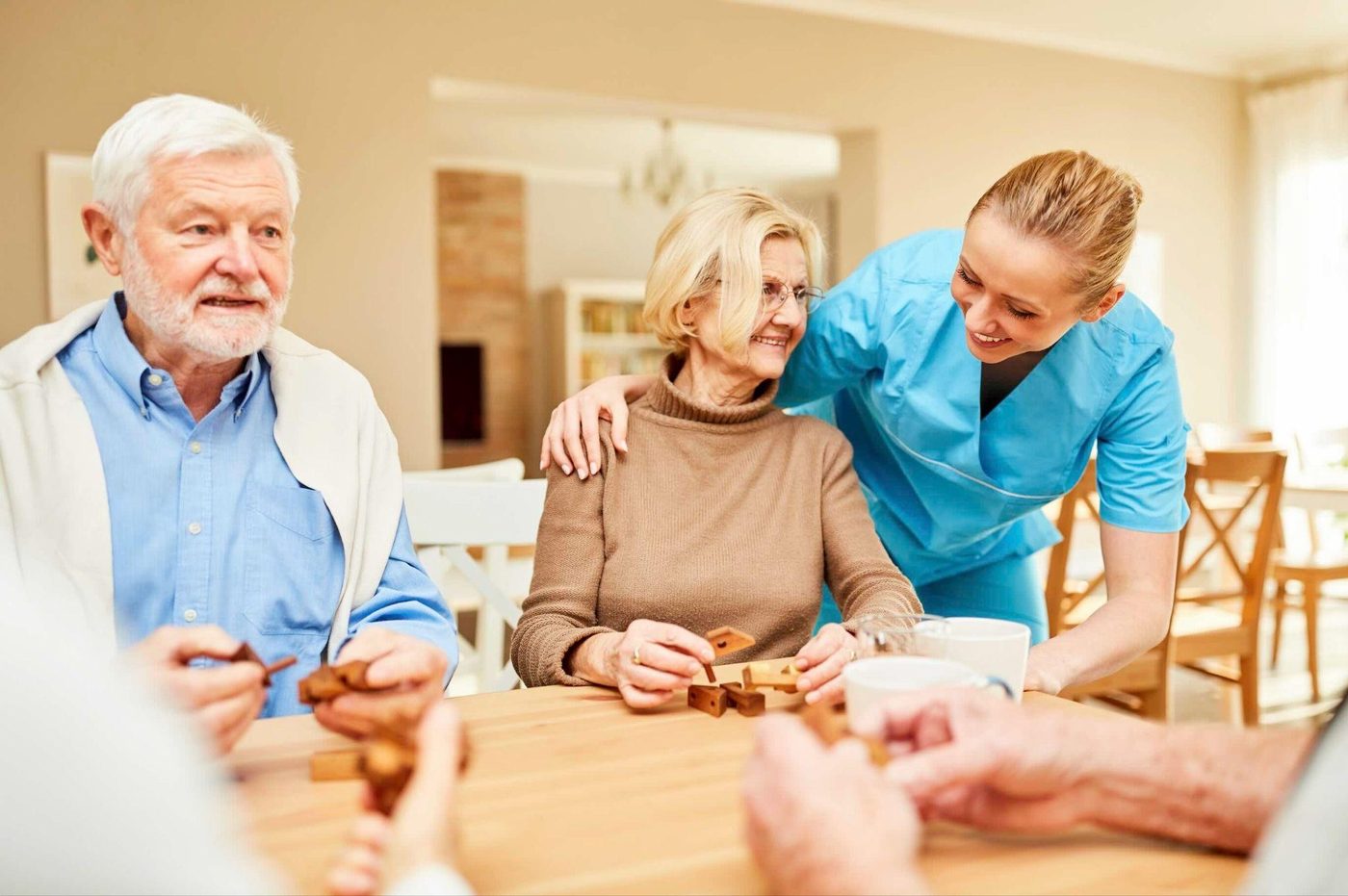
In a care home, support comes from whichever staff are on shift, and shifts change. With live-in care, it's one carer who gets to know your loved one properly — their habits, what makes them anxious, how they take their tea, what used to make them laugh. That consistency tends to matter more than people expect going in. It's also simply easier for a family to build a relationship with one person than to get to know an entire rotating staff team.
What actually happens to a couple
This is where the comparison often shifts hardest in live-in care's favour. Care homes charge per person, so a couple needing different levels of support usually means two separate fees — and sometimes two separate rooms, or even two separate homes if one needs a higher level of care than the other. Live-in care can often support both partners under a single arrangement, with one carer managing the household for two people rather than one. For couples who've shared a home for decades, staying together tends to matter as much as anything else in the decision.
Where a care home genuinely makes more sense
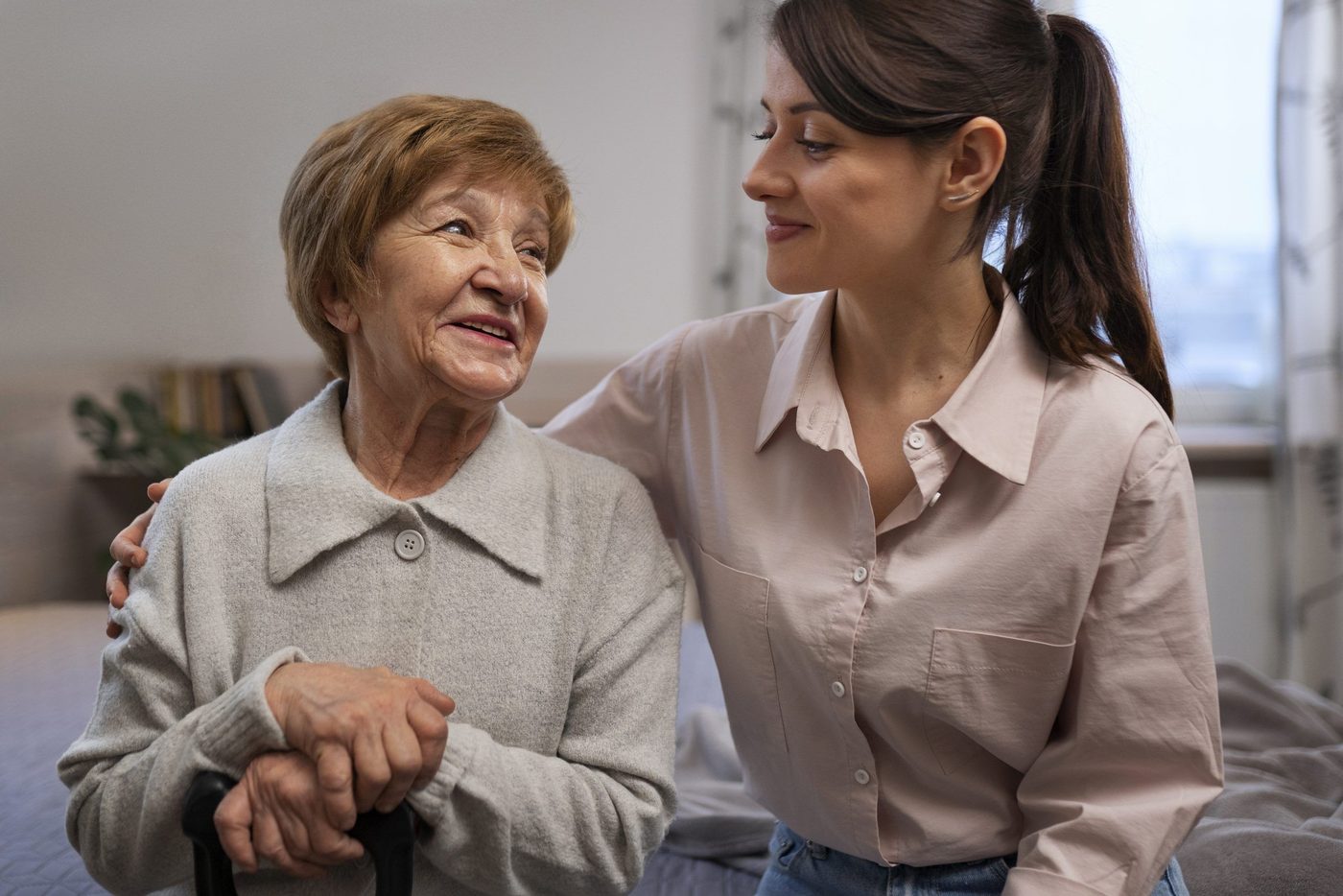
It would be dishonest to pretend live-in care is always the better option. Some needs are more safely and appropriately met in a care home — where nursing staff are on-site around the clock, or where the level of clinical need goes beyond what one carer, however well-supported, can manage alone. A property that genuinely can't be adapted for a hospital bed or a hoist is another real constraint. And for some people, the social side of a care home — being around other residents all day rather than mostly with one carer — is a positive rather than a drawback. It isn't right or wrong in general; it depends on the person.
How to actually decide
The honest answer is that it comes down to the individual — their needs, their home, and what they'd genuinely prefer if you asked them. If you're weighing it up, it's worth talking it through with a care manager who can look at the specific situation rather than general pros and cons; that conversation costs nothing and often makes the decision clearer than reading about it in the abstract.
Free callback
Prefer we call you?
Leave your number and a care manager will call you back — usually within an hour, and always free.
- No obligation. A conversation, not a sales call — and never a call centre.
- A real care manager. Someone who arranges care every day, who can answer properly.
- Just two details. Your name and number — we don’t need an email address.
Or call us now on 0800 368 8558 Lines open 8am–10pm, seven days a week
Common questions
Questions families ask us most
The things people search for before they call us — answered plainly.
Not seeing your question?
Our care managers answer these every day. A no-obligation call takes about ten minutes.
0800 368 8558Lines open 8am–10pm, seven days a week See all questionsIs live-in care suitable for someone with dementia?
Often, yes — and for many families it's preferable, since staying in a familiar home can reduce the confusion and distress that a change of environment can bring. It depends on the stage and specific needs, which is worth discussing directly with a care manager.
Can live-in care handle the same level of need as a care home?
For most needs, yes, including complex personal care. Where it reaches a limit is around-the-clock nursing or clinical needs beyond what a live-in carer, even with support, can safely manage alone — that's when a care home or a two-carer arrangement is worth considering instead.
What happens if my loved one's needs increase after choosing live-in care?
Care plans can be adjusted as needs change, including moving to a higher level of support or a second carer. It's one of the advantages of live-in care being built around the individual rather than a fixed facility.
Related
You might also want to read
Next steps