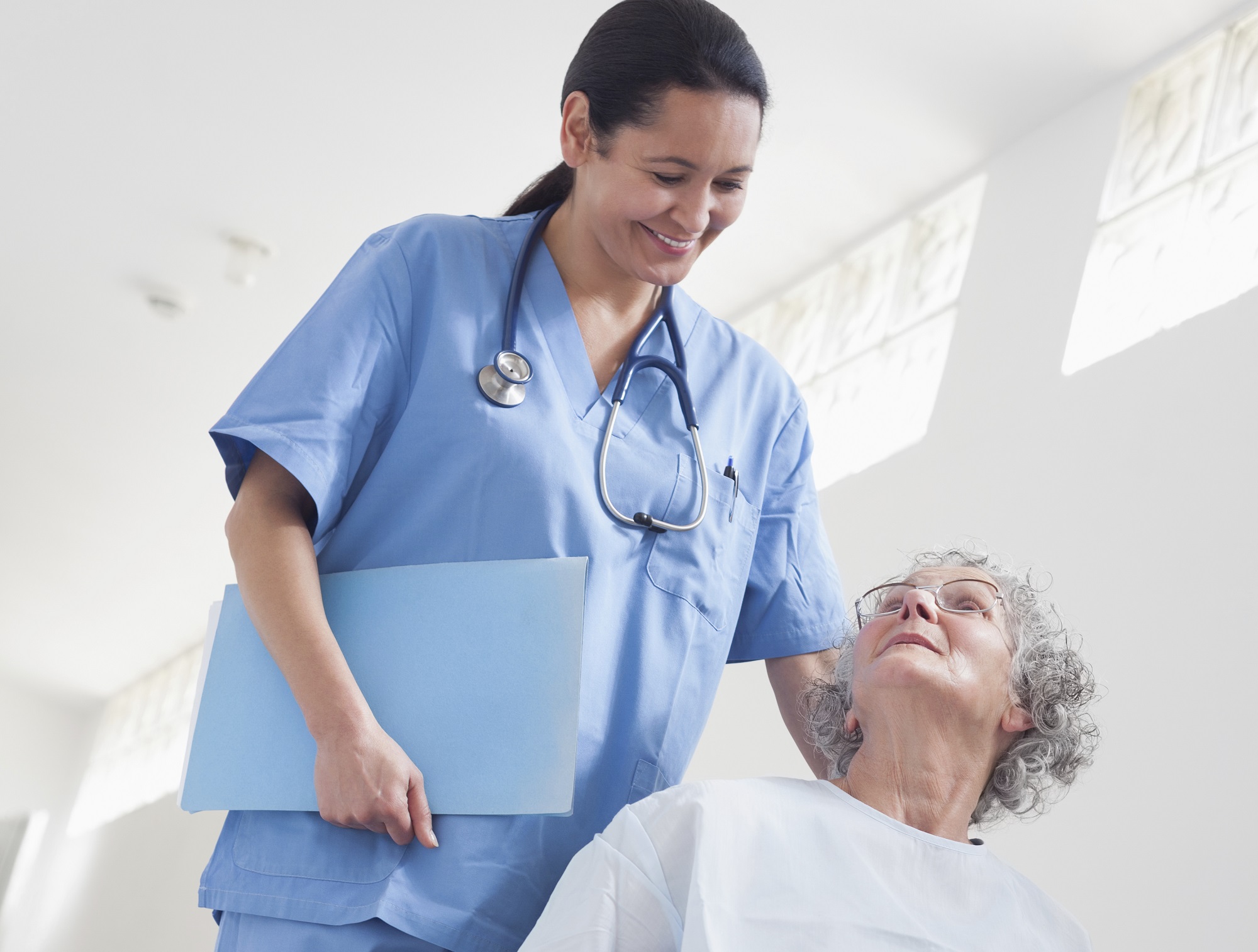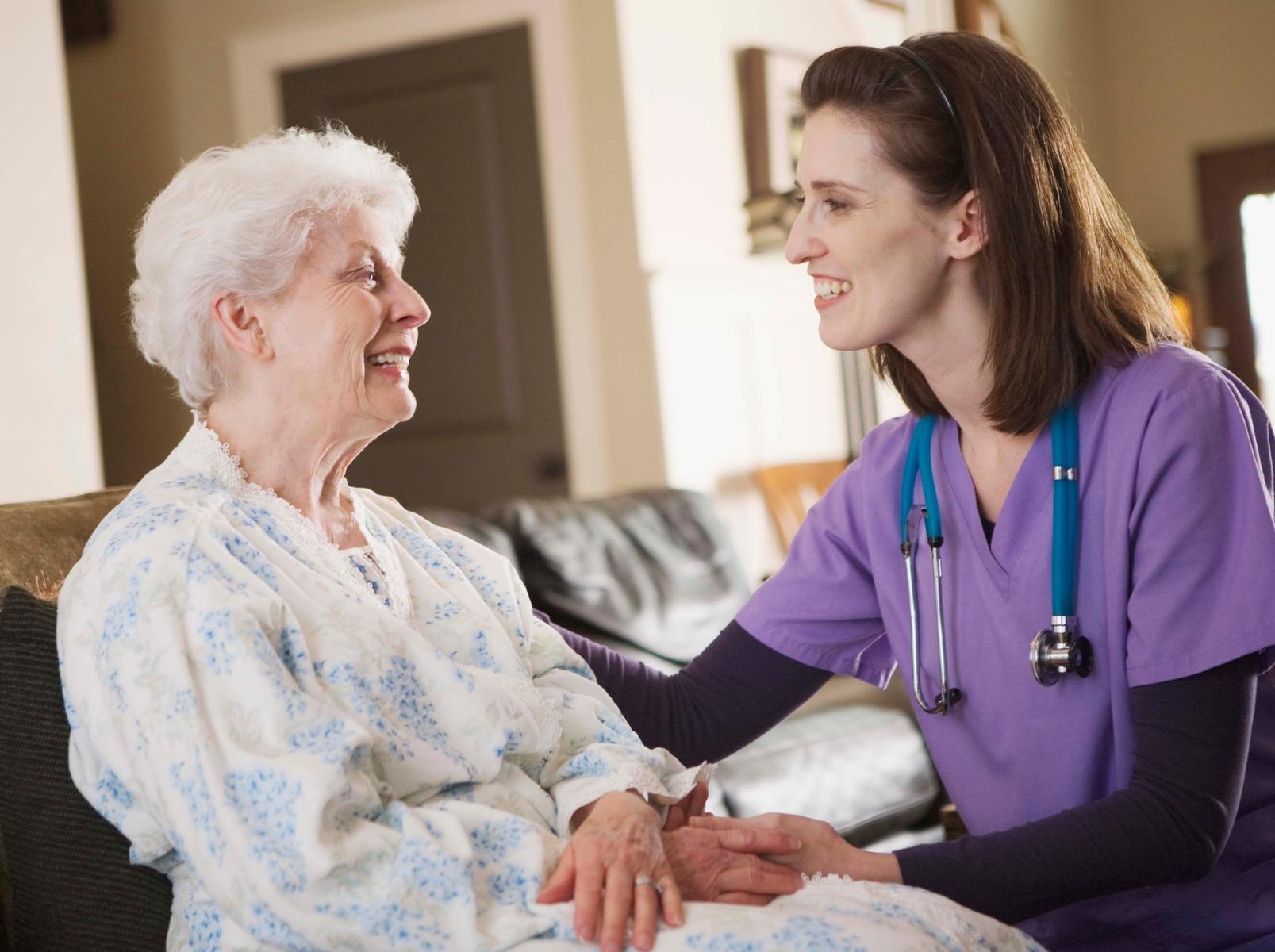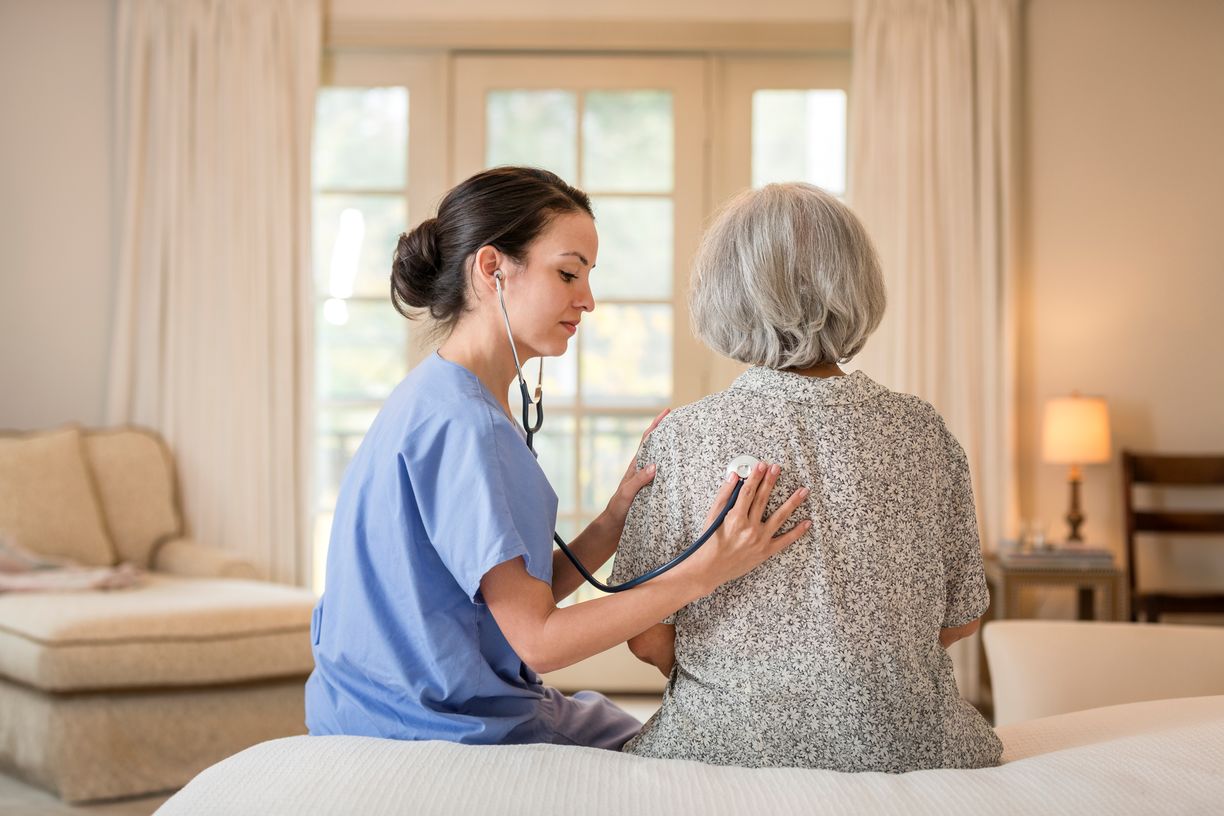

Wound care is a critical aspect of healthcare, especially for individuals with chronic or severe wounds. When wounds do not heal properly, they can lead to serious complications, including infections and prolonged discomfort. Live-in wound care provides a solution by offering continuous, personalized care in the comfort of one’s home. This article delves into the benefits, procedures, and importance of live-in wound care.
Benefits of Live-in Wound Care
- Continuous Monitoring and Care
Live-in wound care ensures that patients receive round-the-clock monitoring. This continuous care helps in promptly addressing any changes in the wound’s condition, thereby preventing complications. - Personalized Treatment Plans
Live-in caregivers work closely with healthcare professionals to develop and implement personalized treatment plans. These plans are tailored to meet the specific needs of each patient, ensuring optimal healing. - Enhanced Comfort and Convenience
Receiving care at home significantly enhances a patient’s comfort and convenience. Being in a familiar environment can reduce stress and promote better healing. - Reduced Risk of Infection
Hospitals and clinics, despite their best efforts, can sometimes be sources of infections. Live-in wound care minimizes exposure to such environments, thereby reducing the risk of infections. - Emotional Support
Live-in caregivers provide not only medical care but also emotional support. They become companions who can uplift the patient’s spirits, which is essential for overall well-being.
Key Components of Live-in Wound Care
- Wound Assessment and Dressing
Proper assessment of the wound is crucial. Live-in caregivers are trained to clean and dress wounds appropriately, using the right materials to promote healing and prevent infections. - Pain Management
Effective pain management is a key component of wound care. Caregivers monitor pain levels and administer medications as prescribed, ensuring the patient remains comfortable. - Nutritional Support
Nutrition plays a vital role in wound healing. Live-in caregivers assist in meal planning and preparation, ensuring the patient receives a diet rich in nutrients that support healing. - Coordination with Healthcare Providers
Live-in caregivers maintain regular communication with healthcare providers, updating them on the patient’s progress and any changes in their condition. This collaboration ensures the treatment plan remains effective.
The Importance of Live-in Wound Care
Live-in wound care is essential for individuals who require ongoing wound management. It offers a comprehensive approach that combines medical care, emotional support, and practical assistance. This holistic care model not only enhances the healing process but also improves the patient’s quality of life.
Conclusion
Live-in wound care provides a crucial service for those needing intensive wound management. By delivering continuous, personalized care in the comfort of home, it promotes better healing outcomes and enhances overall well-being. The combination of professional medical care, emotional support, and a comfortable environment makes live-in wound care an invaluable option for patients and their families.