Artificial intelligence (AI) Predictive Healthcare: How Technology Is Helping Older People Stay Safe at Home
Twenty years ago, “predicting” a health crisis in an older relative usually meant relying on gut instinct — a carer noticing Mum seemed a bit quieter than usual, or a daughter sensing something wasn’t quite right on the phone. Today, that instinct is being backed up by something new: artificial intelligence that can spot the subtle warning signs of a fall, an infection, or cognitive decline days or even years before they become a crisis. For families supporting an older loved one, and for the carers who look after them, this shift from reactive to predictive healthcare is one of the most significant changes in elder care in a generation.
In this guide, we explain what AI predictive healthcare actually is, how it’s already being used across the NHS and UK home care, what the evidence says about its impact, and — just as importantly — where its limits are and what it means for the human relationships at the heart of good care.
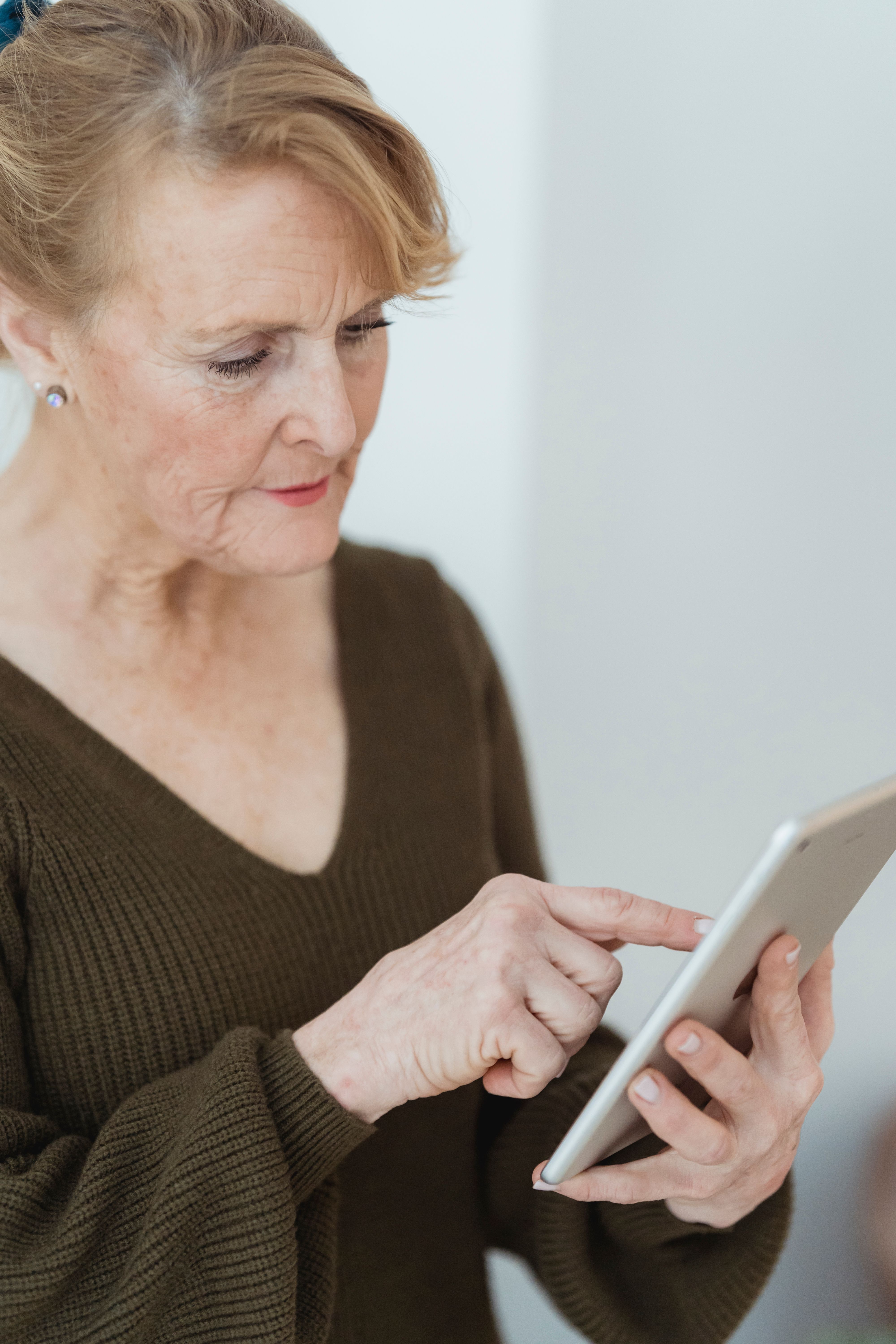
An older woman sitting comfortably at home, looking at a tablet or smart display, with warm natural light.
What Is AI Predictive Healthcare?
AI predictive healthcare refers to software that uses machine learning — algorithms trained on very large amounts of health data — to identify patterns that suggest a person’s health is about to change, often before any obvious symptoms appear. Instead of waiting for a fall, a hospital admission, or a diagnosis, predictive systems continuously analyse data such as vital signs, movement patterns, sleep, medication adherence, and even how often someone presses a personal alarm, then flag when something looks unusual.
From Reactive to Proactive Care
Traditional healthcare is largely reactive: something goes wrong, and the health or care system responds. Predictive healthcare aims to be proactive — catching the early signal that precedes the event, so a carer, nurse or GP can step in sooner. As Stephen Kinnock, the UK’s Minister for Care, put it when NHS England rolled out a national AI early-warning tool in 2025, this is “smart, preventative healthcare in action… shifting from treating sickness to preventing it.”
For older adults in particular, this matters enormously. A fall, a urinary tract infection, or a missed medication can escalate quickly into a hospital admission — and hospital stays are themselves a major cause of further decline in frail, older patients. Catching the early warning sign, rather than the emergency itself, can be the difference between a quiet word of concern and a 999 call.
Why This Matters for the UK’s Ageing Population
The scale of the UK’s ageing population is a big part of why AI predictive healthcare has moved from research labs into everyday care so quickly. According to the Centre for Ageing Better’s State of Ageing 2025 report, 19% of England’s population — around 11 million people — is already aged 65 or over, and 3% (1.4 million people) are aged 85 or over. Crucially, it’s the oldest old whose numbers are growing fastest: England’s population aged 80+ is projected to more than double by 2065.
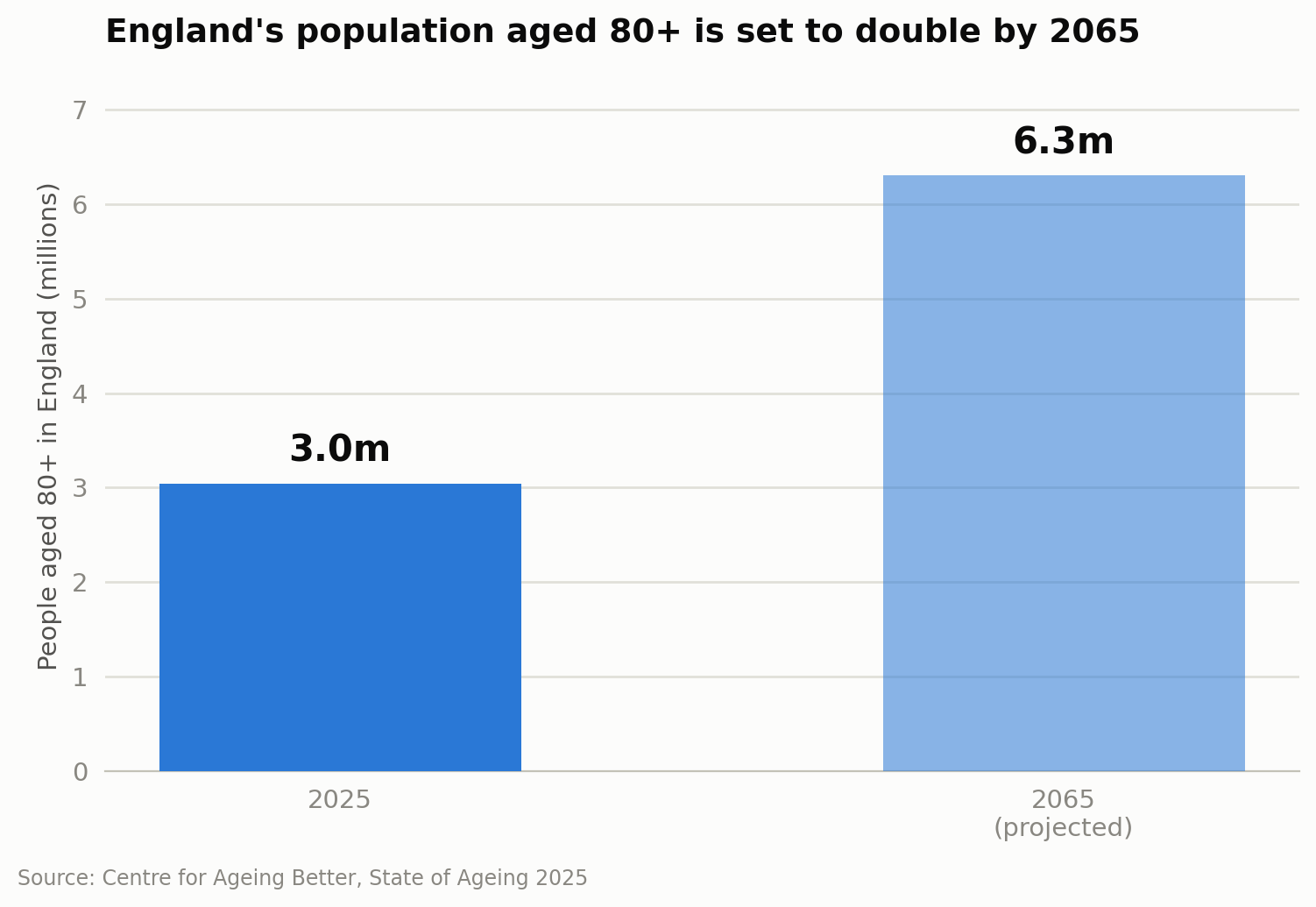
At the same time, more older people are living alone than ever — 4.2 million people aged 65+ in England live alone, and the number of men aged 65+ living alone has risen 66% in the past twenty years. With around 10 million informal (unpaid) carers across the UK, many of whom live some distance from the relative they’re worried about, technology that can quietly keep watch and raise an alarm early has an obvious appeal. It’s perhaps no surprise that in a recent UK survey, 76% of adults said they support the use of AI if it helps older people stay healthy and independent, while 64% said they worry about older relatives who live alone.
| Measure | Figure | Source |
|---|---|---|
| People aged 65+ in England | 19% of population (~11 million) | Centre for Ageing Better, 2025 |
| People aged 85+ in England | 3% of population (~1.4 million) | Centre for Ageing Better, 2025 |
| Growth in population aged 80+ by 2065 | +107% (to 6.3 million) | Centre for Ageing Better, 2025 |
| People aged 65+ living alone | 4.2 million | Centre for Ageing Better, 2023 data |
| UK adults aged 80+ likely to fall at least once a year | 1 in 2 | Taking Care / TSA |
| Unpaid carers across the UK | 10+ million | Taking Care / TSA |
How AI Predicts Health Risks in Older Adults
Predictive AI is already at work across several corners of elder care in the UK — some of it inside the NHS, some of it in home care technology families can access directly. Here’s where the evidence is strongest.
1. Predicting Falls Before They Happen
Falls are one of the most common and costly risks for older people. Around half of people aged 80 and over will fall at least once a year, and falls currently cost the NHS an estimated £2 billion annually across 4 million hospital bed days. In March 2025, NHS England announced the nationwide rollout of an AI tool (developed with home care provider Cera) that analyses data gathered during routine care visits — blood pressure, heart rate, temperature, and behavioural changes — to predict a resident’s fall risk with a reported 97% accuracy.
The tool is now used across more than two-thirds of NHS integrated care systems, supporting around 10,000 home care professionals through more than 2 million patient visits every month. Dr Vin Diwakar of NHS England described it as showing “how the NHS is harnessing the latest technology, including AI, to improve care and boost efficiency,” while Cera’s founder Dr Ben Maruthappu called it “a game-changer” for home care delivery.
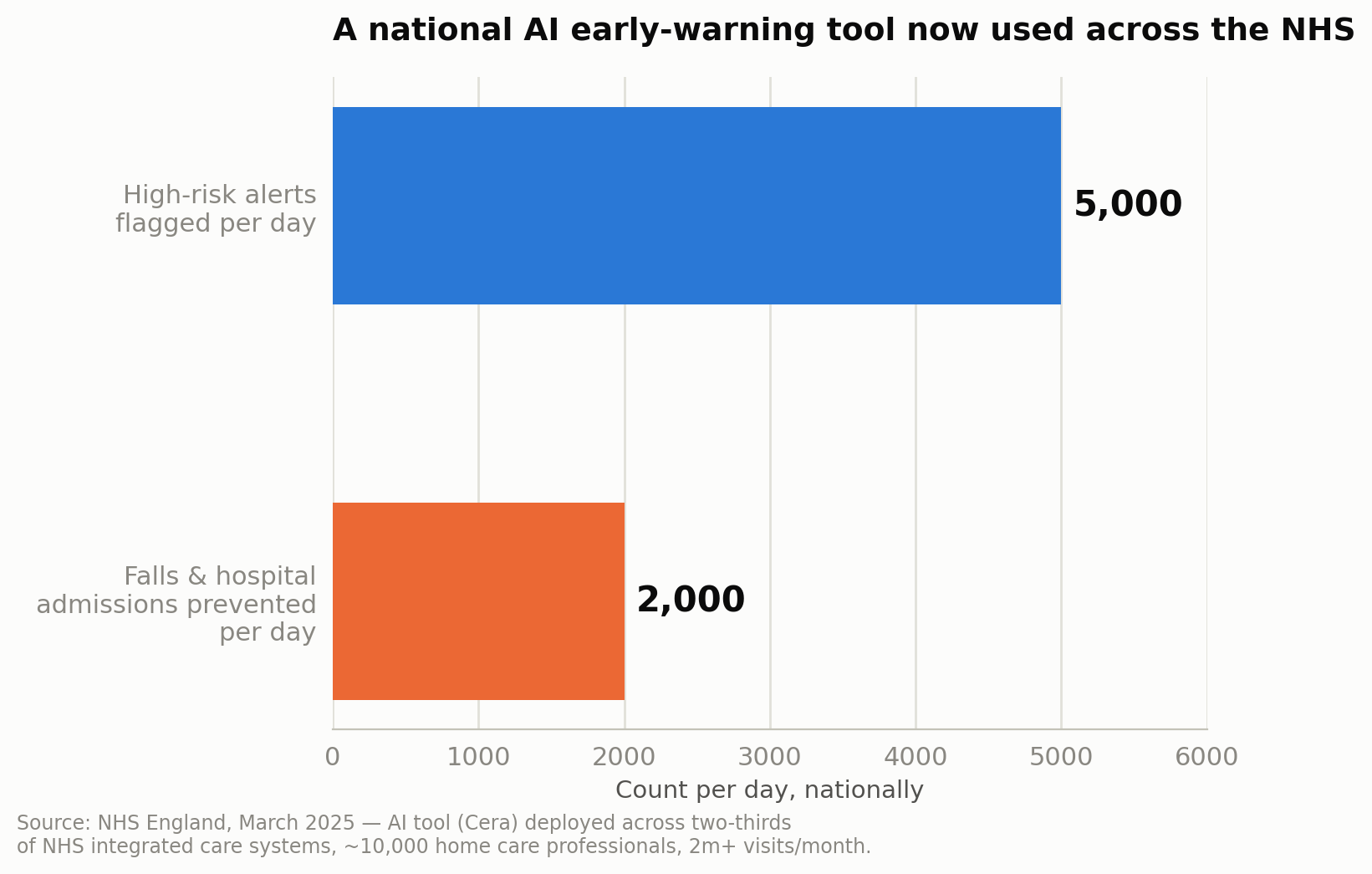
The reported day-to-day impact is striking: the system flags around 5,000 high-risk alerts daily and is credited with preventing up to 2,000 falls and hospital admissions every single day, with NHS England estimating savings of over £1 million a day as a result.
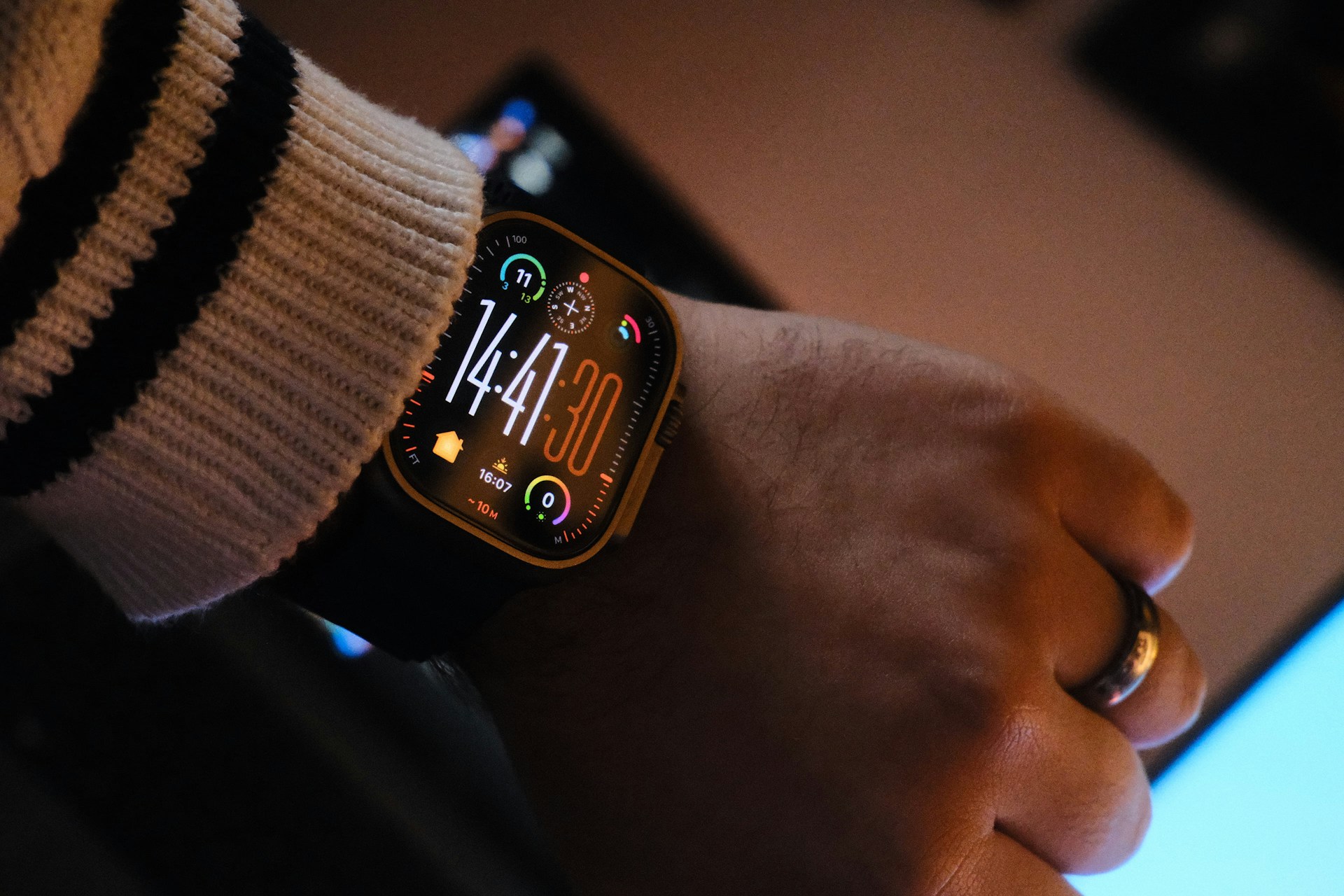
Close-up of a smartwatch or wearable sensor on an older person’s wrist.
2. Spotting Infections and Illness Early
The same NHS tool doesn’t only watch for falls — it’s also trained to flag early symptoms of common winter illnesses, including flu, COVID-19, RSV and norovirus, which can hit older, frailer bodies particularly hard. By picking up subtle signs during a routine care visit, before a person feels unwell enough to say something themselves, carers can arrange a GP review or extra support days earlier than they otherwise might.
3. Detecting Dementia and Cognitive Decline Years Earlier
One of the most promising areas of predictive AI is dementia research. In 2025, researchers at the University of Cambridge published a machine learning model, trained on cognitive test results and structural MRI scans, that predicts whether someone with mild cognitive impairment will progress to Alzheimer’s disease within three years. Tested against nearly 1,500 patients from UK, US and Singapore memory clinics, the model achieved 82% accuracy in identifying those who went on to develop Alzheimer’s, and 81% accuracy in identifying those who remained stable — roughly three times more accurate than standard clinical measures such as cognitive scores or grey-matter atrophy alone.
Professor Zoe Kourtzi, who led the research, noted the tool was “much more sensitive than current approaches at predicting whether someone will progress from mild symptoms to Alzheimer’s.” Practically, this kind of tool could mean fewer people going through invasive tests like lumbar punctures or PET scans unnecessarily, while giving those at genuine risk access to early intervention and support while treatments are most likely to help.
4. Reducing Hospital Readmissions
For older patients discharged from hospital, the risk of being readmitted within 30 days is a persistent problem — one recent US study found over 15% of patients returned to hospital within a month, rising to over 20% for those with chronic conditions like diabetes. Predictive analytics models, which comb through a patient’s history, medications, vital signs and social circumstances, have been associated with reductions of roughly 10–20% in hospital readmissions in various studies. One model developed at Mount Sinai for heart failure patients achieved 83% accuracy in predicting which patients were likely to be readmitted, allowing care teams to arrange closer follow-up for those flagged as highest risk.
5. Remote Monitoring and Wearables for Heart Health
Heart failure is one of the leading causes of hospital admission in older adults, and it’s also one of the conditions where early warning genuinely changes outcomes — fluid retention and worsening symptoms can build for days before a person notices anything wrong. A growing body of research into wearable devices — smartwatches and patches that track heart rate variability, activity and even lung fluid — is showing real promise for flagging deterioration before it becomes an emergency, giving clinicians and carers a window to adjust medication or arrange a review.
6. Noticing the Small Changes: Wellbeing and Loneliness
Not every risk shows up in a blood pressure reading. Taking Care’s ActiveAlert system takes a different approach, analysing patterns in how someone uses their personal alarm — the frequency, timing and nature of calls — against three decades of alarm data. When the pattern shifts unexpectedly, it triggers an automatic wellbeing check-in call. It’s a good example of how predictive AI isn’t only about medical crises; it can also pick up the quieter signs of decline, isolation or low mood that matter just as much to families.
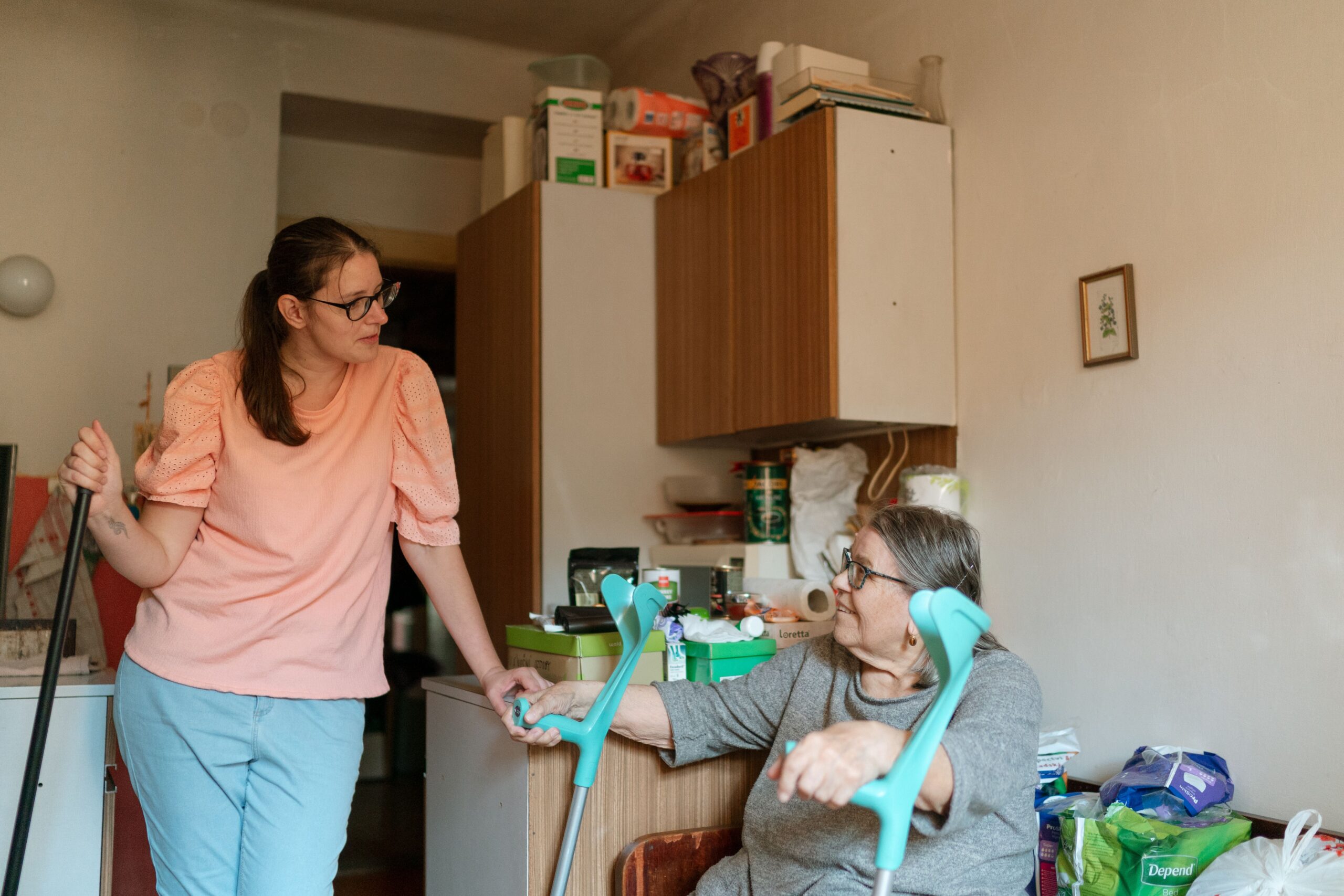
A carer sitting with an older person, having a warm conversation, perhaps with a tablet or notes nearby.
Where AI Predictive Tools Are Already Used in Elder Care
| Application | What it predicts | Example / evidence |
|---|---|---|
| Fall risk monitoring | Likelihood of a fall in the coming days | NHS England / Cera — 97% reported accuracy, used by ~10,000 home care staff |
| Illness detection | Early symptoms of flu, COVID-19, RSV, norovirus | Same NHS tool, flagging ~5,000 alerts/day nationally |
| Cognitive decline / dementia | Progression from mild cognitive impairment to Alzheimer’s | University of Cambridge model — 82% accuracy over a 3-year horizon |
| Hospital readmission risk | Likelihood of returning to hospital within 30 days | Mount Sinai heart-failure model — 83% accuracy |
| Cardiac deterioration | Worsening heart failure symptoms | Wearable/remote monitoring research studies |
| Wellbeing and isolation | Changes in routine that suggest declining wellbeing | Taking Care ActiveAlert — pattern analysis of alarm use |
Underlying all of this is a fast-growing market: analysts at Market.us estimate the global healthcare predictive analytics market was worth around $18.5 billion in 2024 and could grow to $160.3 billion by 2034, a compound annual growth rate above 24%. Whatever the precise figure turns out to be, the direction of travel is clear — predictive tools are moving from pilot projects into everyday clinical and care practice.
What This Means for Live-in and Home Care
For families weighing up care options, AI predictive healthcare isn’t a replacement for a carer — it’s a second pair of eyes that never blinks. In a live-in care arrangement, where a carer is already present in the home every day, predictive tools add another layer of reassurance on top of that constant human relationship, rather than substituting for it.
In practice, this can look like:
- ✓ Vital signs and movement data quietly monitored between visits or overnight, with alerts sent if something looks unusual
- ✓ Earlier conversations with a GP or district nurse, based on a flagged risk rather than a full-blown emergency
- ✓ Families further afield receiving reassurance — or an early heads-up — without having to rely on guesswork
- ✓ Carers spending less time on routine paperwork and more time on the things that matter, as some AI tools also automate scheduling and admin
- ✓ A more personalised care plan that adapts as a person’s needs genuinely change, rather than being reviewed only every few months
The Human Side: What AI Can’t Replace
A note of caution. Predictive AI is a tool to support good care, not a substitute for it. Algorithms can flag a risk, but they can’t hold someone’s hand during a difficult night, notice the things that don’t show up in data, or provide the companionship that keeps loneliness at bay. Any care provider using AI-enabled monitoring should be transparent about what data is collected, how it’s kept secure, and how decisions are made — and a person’s consent and dignity should always come first.
There are real, well-documented limitations worth keeping in mind. Predictive models are only as good as the data they’re trained on, and can be less accurate for groups under-represented in that data. No fall-prediction or illness-detection tool is 100% accurate — a 97% accuracy rate, for example, still means some events will be missed and some alerts will be false alarms. And for older people who may already feel a loss of independence, being constantly monitored needs to be approached sensitively, with clear consent and an explanation of what’s being tracked and why.
The most effective use of these tools, based on the evidence so far, pairs AI’s tireless pattern-spotting with a carer’s judgement, warmth and relationship with the person they support. Technology raises the flag; a person decides what to do about it.
Getting Started: Questions to Ask a Care Provider About AI-Enabled Care
| Topic | Question to ask |
|---|---|
| Data & privacy | What data is collected, where is it stored, and who can access it? |
| Consent | How is consent obtained, and can my relative (or I, as their representative) opt out of specific monitoring? |
| Alerts | Who receives an alert if something is flagged, and how quickly do they respond? |
| Accuracy | What’s the evidence behind the tool, and how are false alarms handled? |
| Human oversight | Is a qualified person always involved in decisions, or does the system act alone? |
| Cost | Is AI-enabled monitoring included in the care package, or an additional cost? |
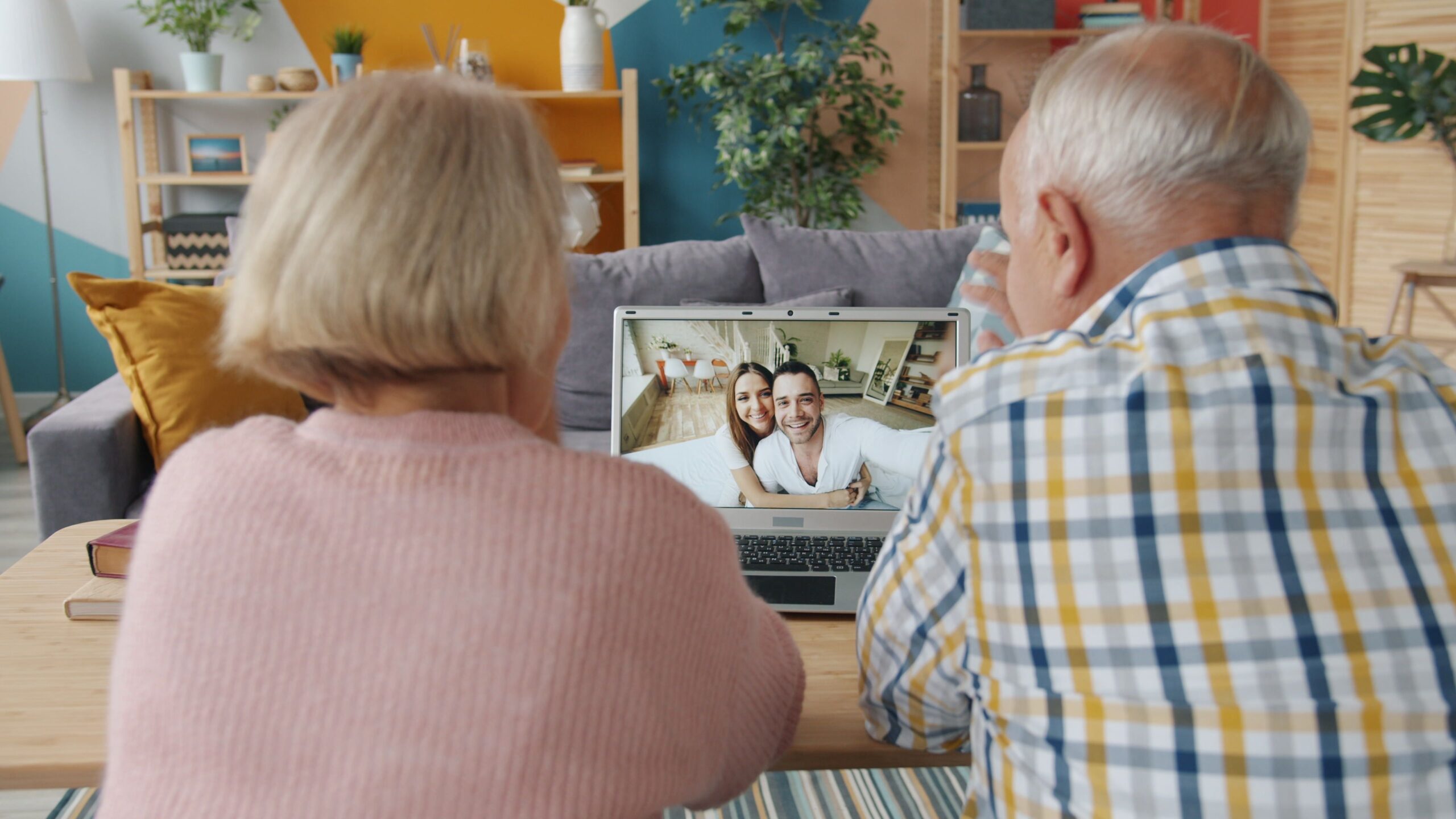
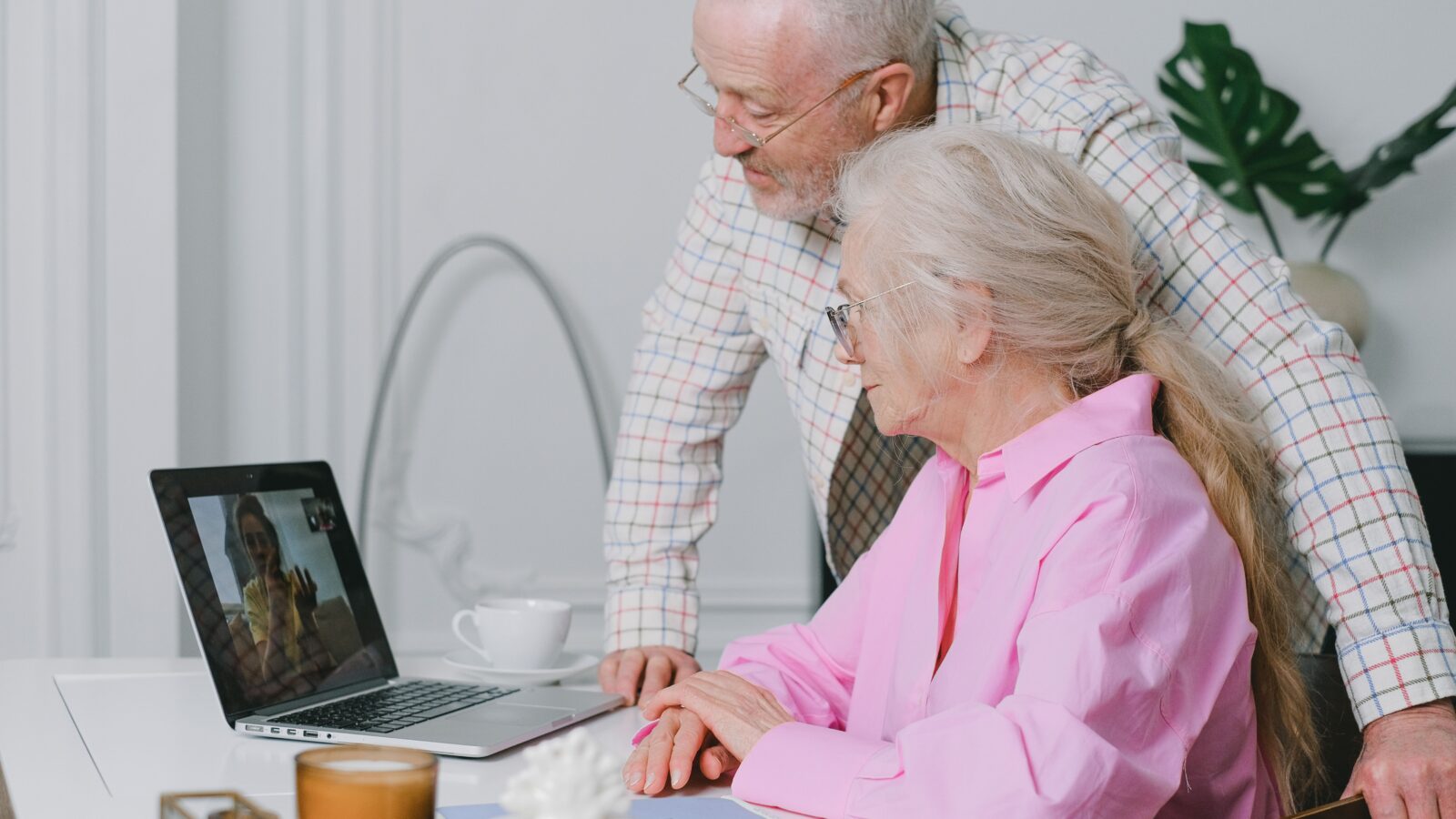
An adult child on a video call or phone call with an elderly parent, smiling, in a bright home setting.
Frequently Asked Questions
Is AI predictive healthcare only available through the NHS?
No. While NHS England has rolled out AI tools nationally through home care providers, many private live-in and home care agencies now offer AI-supported monitoring — such as wearable sensors, fall-detection systems and wellbeing check-in technology — as part of, or alongside, their care packages.
Does using AI monitoring mean less human contact?
It shouldn’t. Predictive tools are designed to support carers, not replace visits or live-in care. In a well-run care arrangement, AI simply adds an extra layer of early warning on top of ongoing, in-person care.
How accurate are these predictions, really?
It varies by application. The NHS fall-prediction tool reports around 97% accuracy, and the Cambridge dementia-progression model reported 81–82% accuracy over a three-year window. No system is perfect, so predictions should always be treated as a prompt for a human review, not a diagnosis.
Is my relative’s data safe?
Reputable providers should be able to explain clearly how data is collected, stored and protected, and should comply with UK GDPR. It’s reasonable — and encouraged — to ask a care provider directly about their data protection policies before agreeing to any AI-enabled monitoring.
Can AI detect dementia on its own?
Not on its own. Current AI tools support clinicians by improving the accuracy of risk prediction alongside standard cognitive assessments and scans; a diagnosis still requires a qualified clinician.
Will AI-enabled care cost more?
This depends on the provider. Some agencies include monitoring technology as standard; others offer it as an add-on. It’s worth asking about this directly when comparing care options (see the table above).
The Future of Predictive Care
The direction of travel is unmistakable. What began as pilot projects in a handful of NHS trusts has, within a few years, become a tool used in millions of home care visits every month. As wearable technology becomes cheaper and more comfortable, and as models like Cambridge’s dementia predictor move from research papers into clinics, predictive healthcare is likely to become a normal, expected part of how older people are supported to stay well and independent at home — alongside, never instead of, the people who care for them.
For families exploring live-in care, the question is increasingly not whether technology has a role to play, but how it’s used, how transparently, and how well it’s paired with genuinely compassionate, person-centred care.
Thinking about live-in care for a loved one? Our team can talk you through how our carers combine hands-on, compassionate support with the latest technology to help your relative stay safe, well and independent at home.
📞 Call us free on 0800 368 8558 — or get in touch through our website to arrange a free care assessment.
This article is for general information only and does not constitute medical advice. Statistics cited are drawn from NHS England, the Centre for Ageing Better, University of Cambridge research, Taking Care/TSA, and independent market research, as linked throughout; figures on AI tool performance are as reported by their developers and may vary in real-world use. If you have concerns about your own or a relative’s health, please speak to a GP or qualified healthcare professional.